The Fixed Moments a Schedule Builds Around
Every wedding day has a handful of points that do not shift: the ceremony start time, the distance between addresses if the ceremony and reception happen in different places, the moment the reception officially begins, and whatever access restrictions a venue sets for setup or photography. These fixed moments anchor the whole schedule, since everything else, getting ready, portraits, family photos, cocktail hour, has to fit into the space between them.
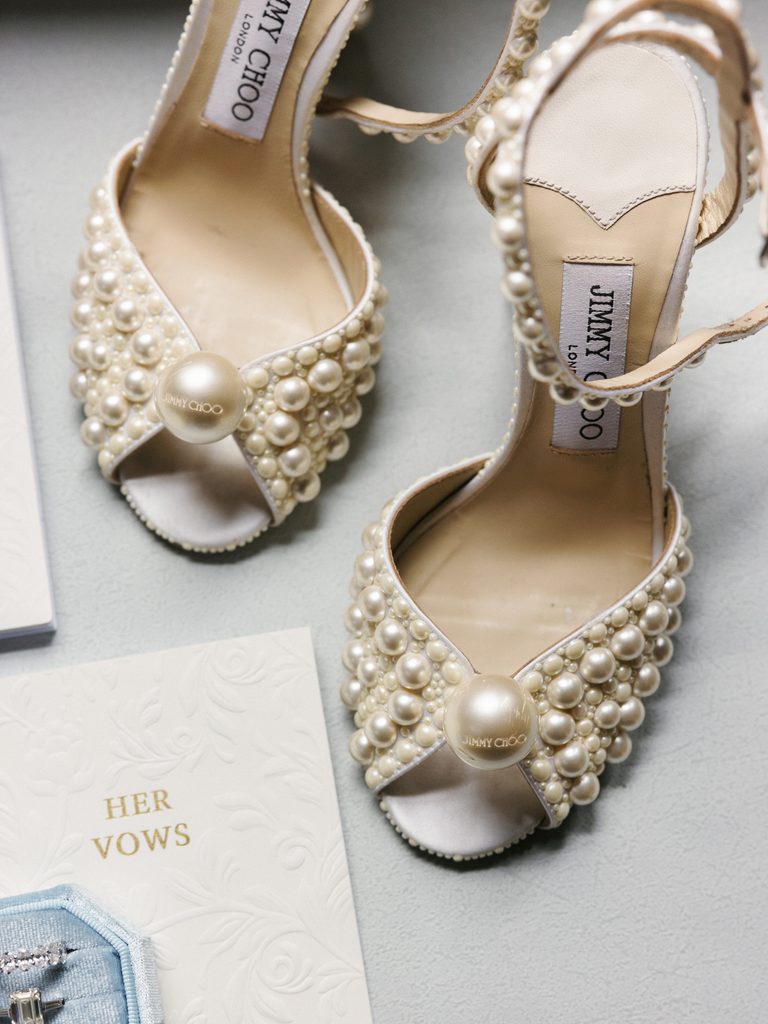
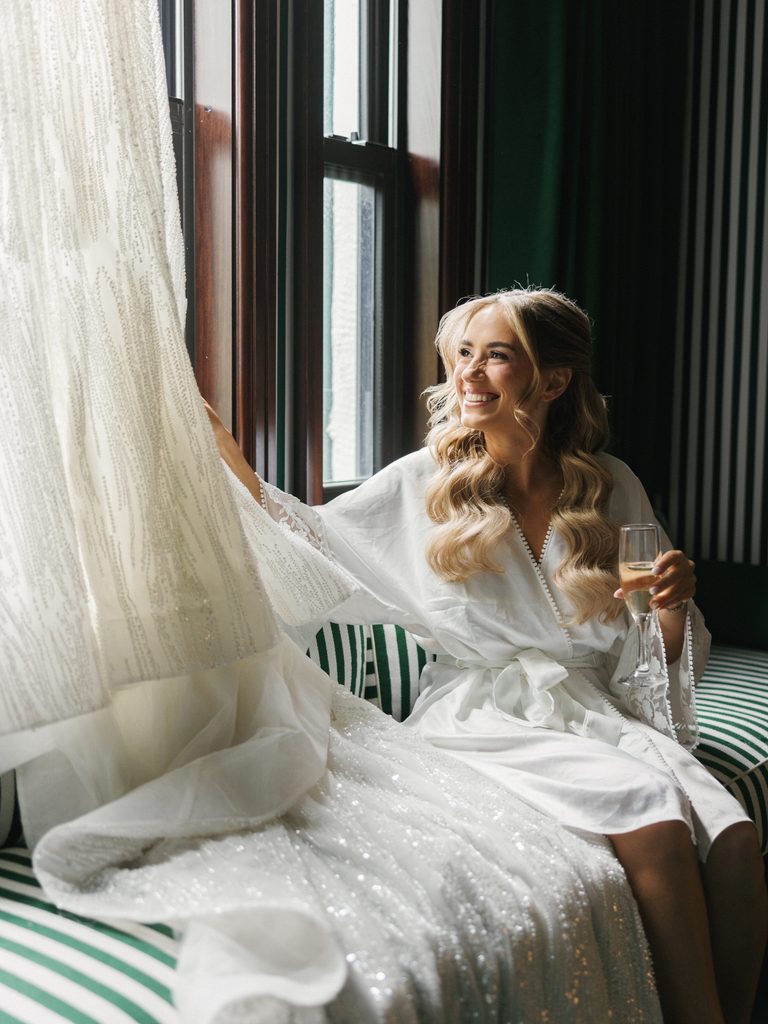
A useful order for building a timeline works backward and forward from these anchors at the same time. Starting from the ceremony time, a couple can work backward to figure out when getting ready realistically needs to begin, factoring in hair, makeup, and dressing time plus a buffer for delays. Working forward from the ceremony, the same process maps out cocktail hour, reception entrance, dinner, and the key reception moments, toasts, first dance, cake cutting, that a photo and film team needs to know about in advance.
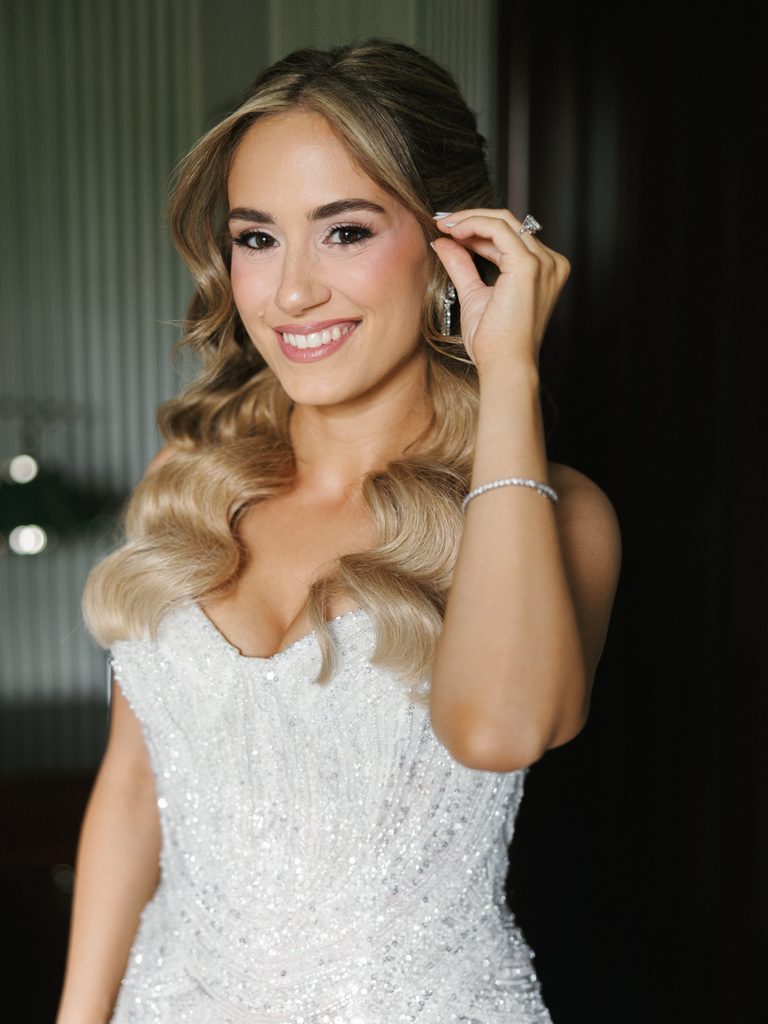
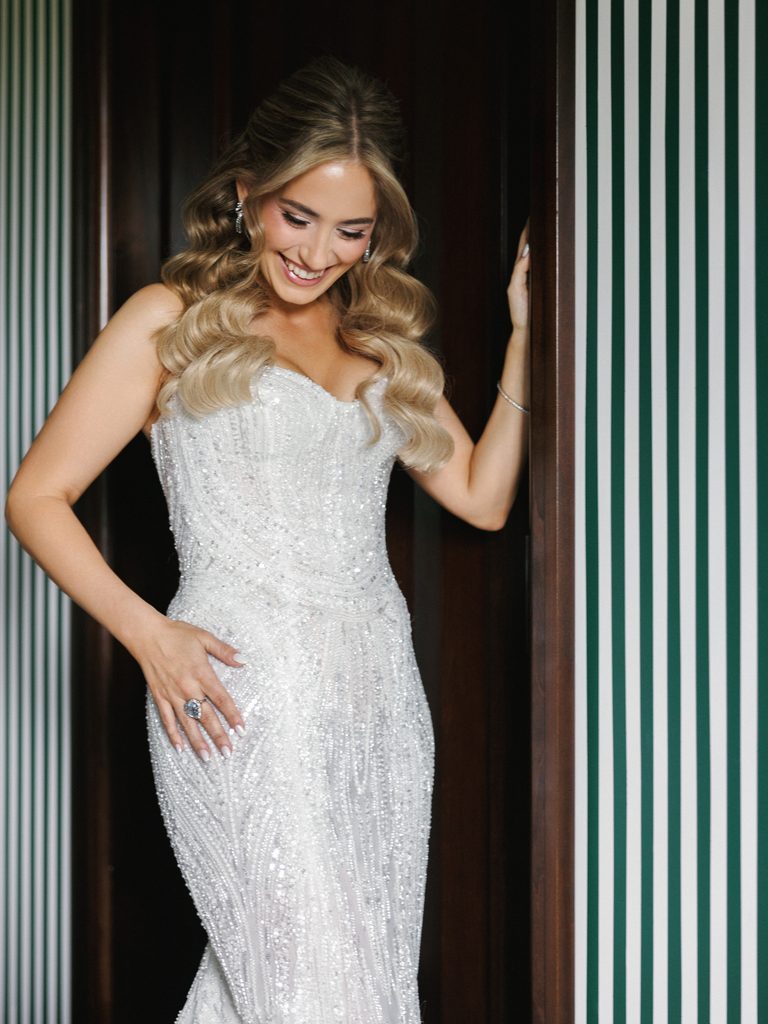

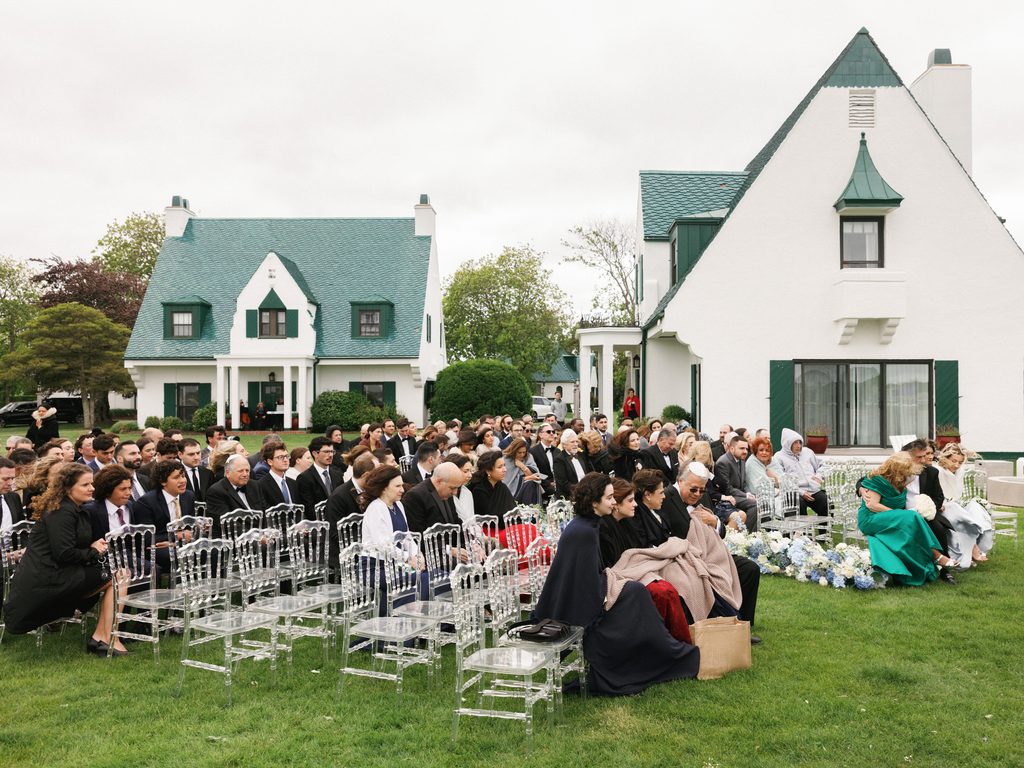
An evening ceremony changes this math differently than a morning one. A four o’clock start, as used in the examples below, still leaves a reasonable amount of daylight for portraits either before or after the vows, depending on the season. A ceremony scheduled later in the day, closer to sunset, compresses that portrait window considerably and usually pushes more of the portrait work earlier in the day out of necessity, regardless of whether a first look is part of the plan.
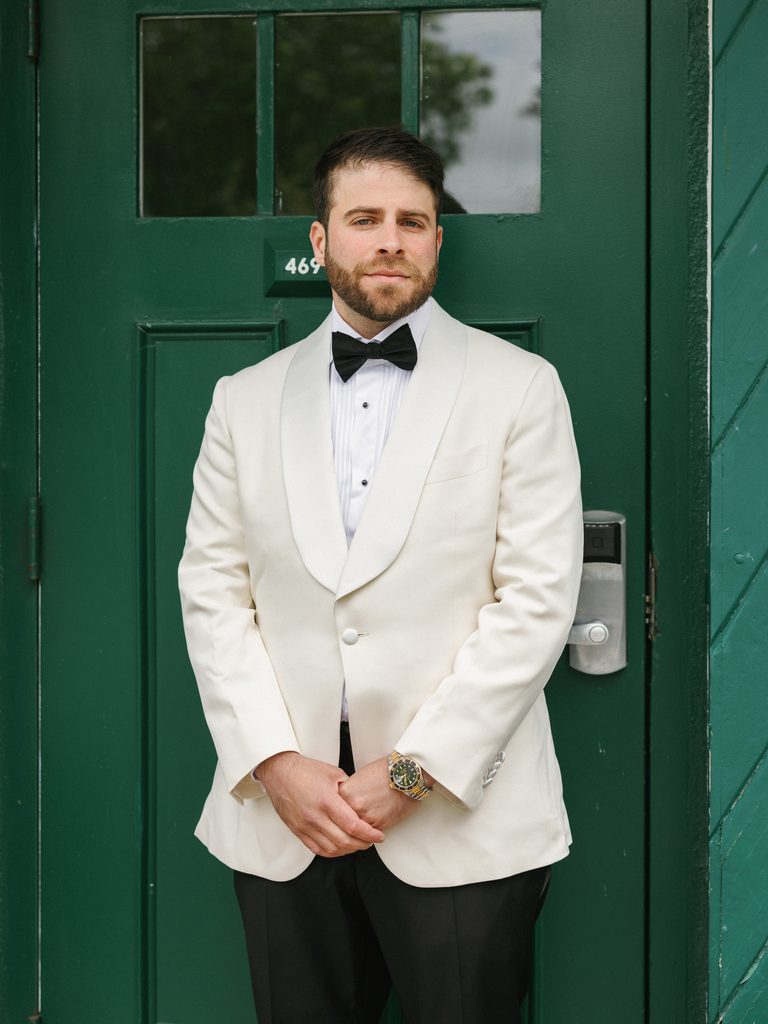
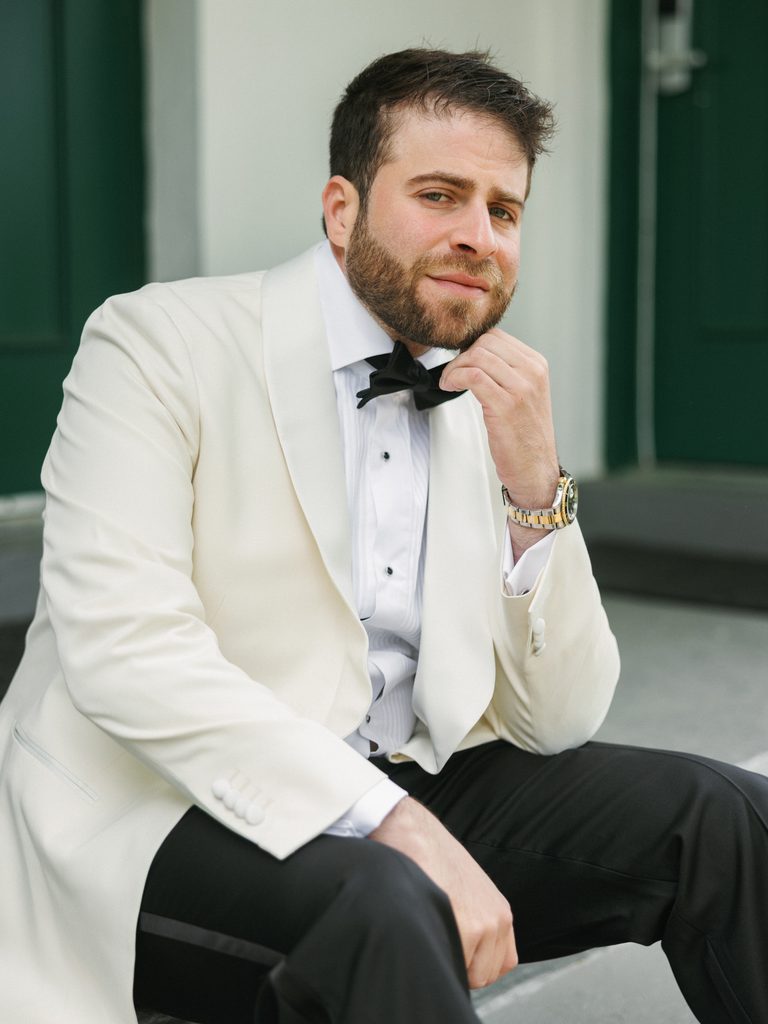
Flexible blocks, portraits, a first look if one is planned, family photos, fill the space between these fixed points. Because those blocks are the parts of the day with real room to move, they are also where a rushed schedule usually loses its buffer first, which is why building them with a little extra time instead of the bare minimum tends to hold up better once the day is actually underway.
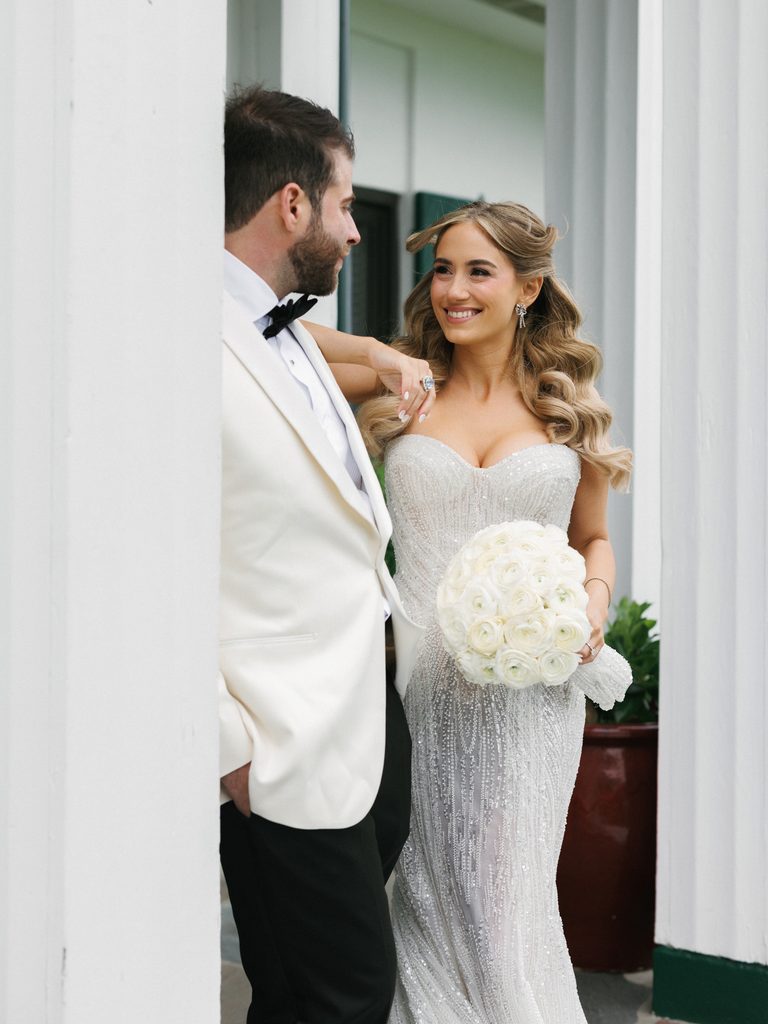
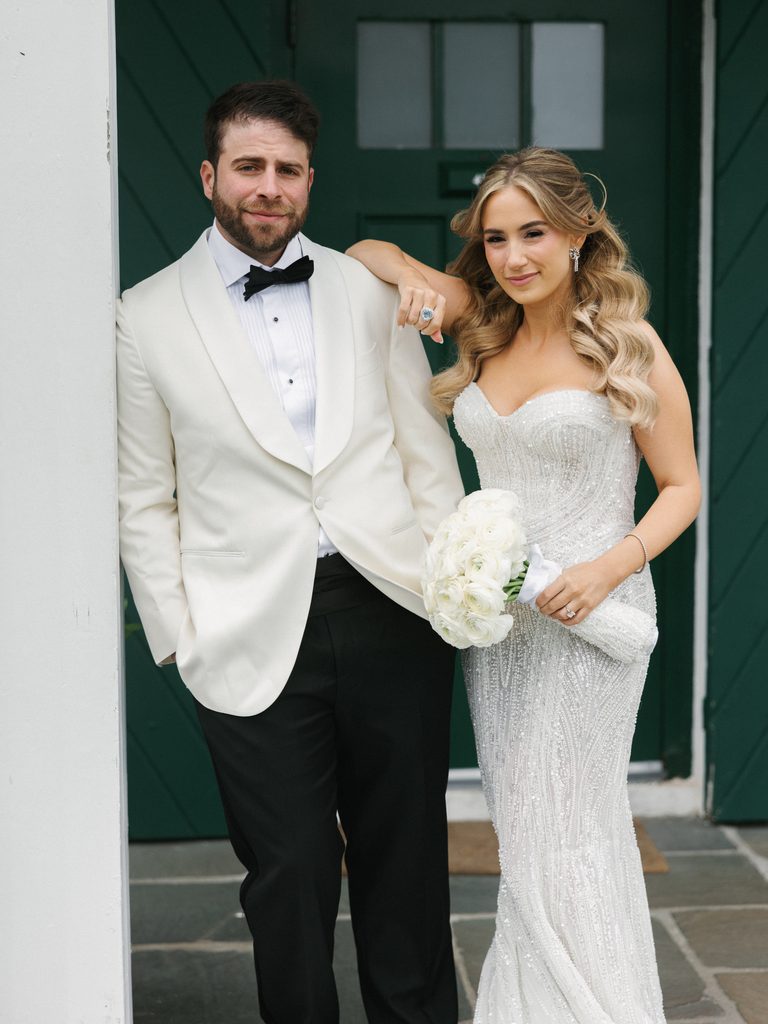
An Example Timeline With a First Look
The example below assumes a four o’clock ceremony and roughly eight hours of total coverage, starting with getting ready in the late morning. Every wedding is different, so treat the specific times as a starting structure to adjust around a couple’s actual venue, guest count, and season, not a fixed schedule to copy exactly.
| Time | Block | Shooting goal | Buffer |
| 11:00 AM | Getting ready | Details, candid preparation moments | 15 min |
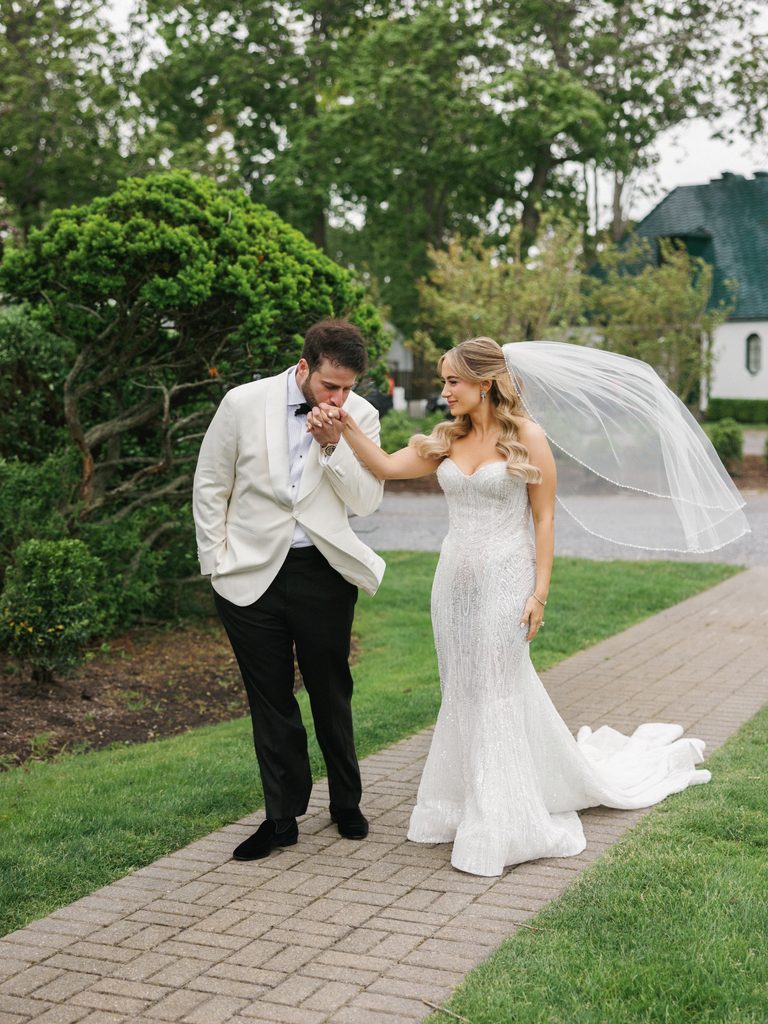
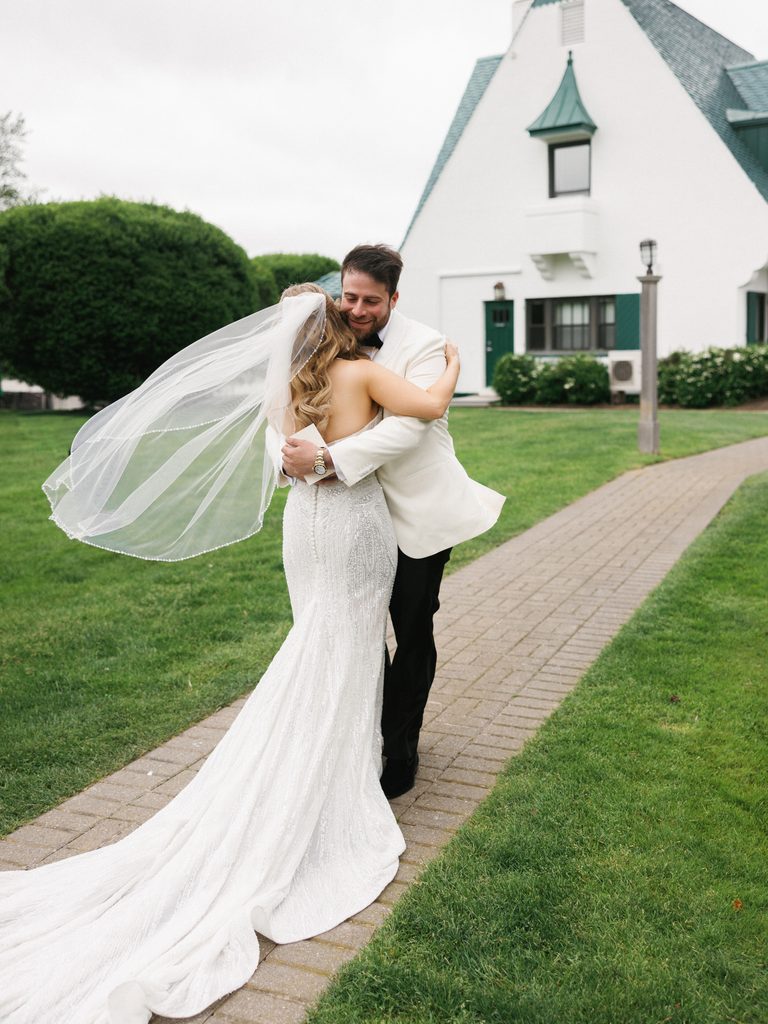
| 12:30 PM | First look | Private couple portraits, first look reveal | 15 min |
| 1:00 PM | Couple portraits | Full portrait session before the day gets busy | 20 min |
| 1:45 PM | Wedding party portraits | Bridal party and groomsmen, combined and separate | 15 min |
| 2:30 PM | Family formal photos | Essential combinations from the family list | 20 min |
| 3:15 PM | Travel and setup | Move to ceremony site, final touch-ups | 15 min |
| 4:00 PM | Ceremony | Full ceremony coverage | Built into arrival time |
| 4:30 PM | Cocktail hour | Candid guest coverage, remaining family combinations if needed | Flows into reception |
| 5:30 PM | Reception | Entrance, dinner, toasts, first dance, dancing | Runs to end of coverage |
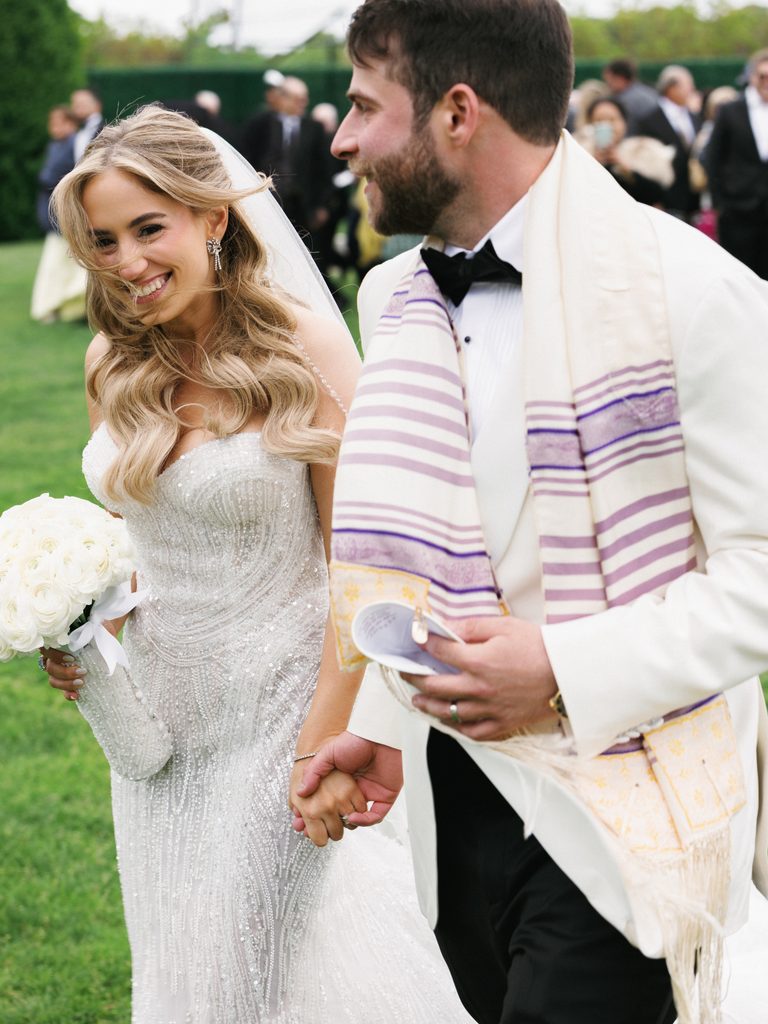
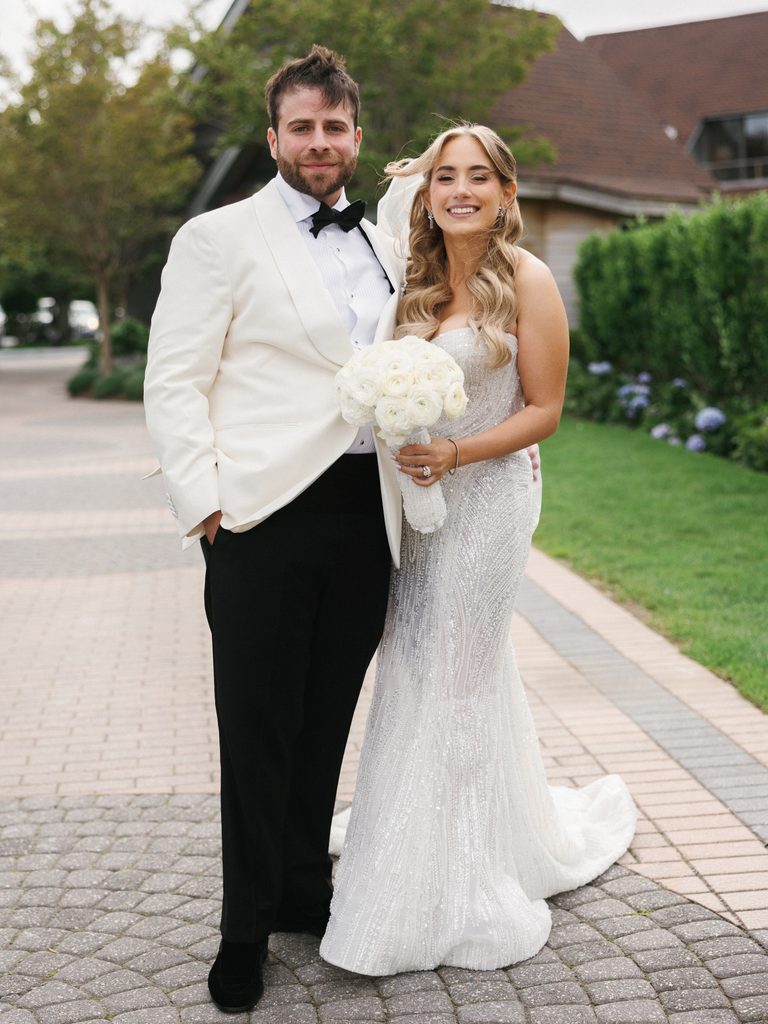
Because portraits, the first look, and family photos all happen before the ceremony in this version, cocktail hour is left largely open for candid coverage instead of formal portrait work, and the couple can join their own cocktail hour instead of finishing photos while guests wait.
An Example Timeline Without a First Look
Skipping a first look shifts the heaviest block of portrait work to the window right after the ceremony, which changes how cocktail hour functions for everyone involved. In this version, couple portraits and most family combinations happen during what would otherwise be the couple’s own cocktail hour, which means guests spend that time without them.
| Time | Block | Shooting goal | Buffer |
| 12:00 PM | Getting ready | Details, candid preparation moments | 15 min |
| 2:00 PM | Wedding party portraits | Bridal party and groomsmen, separate sides only | 15 min |
| 2:45 PM | Travel and setup | Move to ceremony site, final touch-ups | 15 min |
| 4:00 PM | Ceremony | Full ceremony coverage, including the first look at the aisle | Built into arrival time |
| 4:30 PM | Family formal photos | Essential combinations from the family list | 20 min |
| 4:50 PM | Couple portraits | Full portrait session immediately after the ceremony | 20 min |
| 5:10 PM | Cocktail hour tail end | Couple joins remaining cocktail hour if time allows | Flows into reception |
| 5:30 PM | Reception | Entrance, dinner, toasts, first dance, dancing | Runs to end of coverage |
This version needs a clear heads-up to the people involved in family photos, since they need to be found and ready to go immediately after the ceremony instead of earlier in the day when everyone is easier to locate. Letting the officiant, the planner, or a designated helper know the family photo list and timing in advance keeps this tighter window from running long.

Adjusting Either Template to a Real Wedding
Both example schedules assume a single ceremony and reception venue and a fairly standard guest count. A wedding split across two locations needs its travel block treated as seriously as any other fixed point, not squeezed into whatever gap happens to be left between other blocks. A larger wedding, with a longer family photo list or a bigger wedding party, generally needs more time for those specific blocks instead of a longer day overall, since the fixed moments, ceremony and reception start, usually stay the same regardless of guest count.
A morning or early afternoon ceremony shifts both templates earlier without changing their internal logic much. Getting ready moves earlier, portraits and family photos still happen in roughly the same order relative to the ceremony, and the main adjustment is making sure lunch or a meal break is factored in somewhere for the wedding party and the photo and film team, since a schedule that runs through midday without one tends to show up as fatigue in the later portraits.
Travel Time, Light, and Season as Planning Inputs
Travel time deserves its own line in any schedule that involves moving between addresses, instead of being folded into whatever block precedes it. A drive that looks short on a map can run long with wedding-day traffic, a large group moving at once, or a couple in formal attire that limits how quickly they can move between a car and a location. Building in a dedicated travel block, even a brief one, keeps a late departure from eating into the time set aside for the next part of the day.
Light and season shape the schedule as much as any fixed event does, even though neither shows up as a line on the timeline directly. A winter wedding with an early sunset compresses the window for outdoor portraits significantly compared to a summer date with hours of daylight to work with, which can mean shifting getting ready and ceremony times earlier in the day specifically to protect portrait light. Checking sunset time and typical light conditions for the actual date and location, instead of assuming a template schedule built for a different season will translate directly, is worth doing early in the planning process.
The Final Schedule to Share With the Team
A finished timeline, ready to hand off to a photo and film team, a planner, and anyone helping coordinate the day, gains from a few specific columns added to time and event: the address or space for each block, who needs to be present for it, and a coordinator’s contact information in case a question comes up during the wedding. That last column matters more than it might seem, since a photo and film team often needs a fast answer to a small logistical question without interrupting the couple directly.
| Time | Event | Address or space | Who’s present | Coordinator contact |
Photographer and videographer coordination deserves its own short conversation before the day, separate from the timeline document. Deciding in advance who takes the lead during portraits, so neither team is waiting on the other for direction, tends to keep that block moving. For ceremony audio, confirming whether the film team is capturing sound independently, and how that audio source relates to whatever the photographer needs for timing cues, avoids a gap in coverage during a moment that cannot be redone. Flagging key reception episodes, a surprise performance, a special dance, a specific toast order, to both teams in advance means neither one is caught off guard by a moment that only happens once.
FAQ
How many hours of wedding photography coverage are typically needed?
It depends on the day’s structure, but eight hours is a common starting point for a wedding with a first look, formal portraits, a full ceremony, and reception coverage through the early part of the dancing. A day without a first look, or with multiple locations, may need more time to account for the added transitions.
Does a first look actually save time on the wedding day?
Generally, yes, since it moves the bulk of portrait work earlier in the day, before the ceremony, instead of compressing it into the window right after. That shift tends to free up more of cocktail hour for the couple to spend with guests instead of finishing photos.
How much buffer time should be built into a wedding photography timeline?
More than feels necessary when the schedule is first drafted. Fifteen to twenty minutes per block is a reasonable starting point, since transitions, especially ones involving a full wedding party or travel between locations, consistently take longer in practice than they do on paper.
Who should receive a copy of the final wedding day timeline?
The photo and film team, the planner, the officiant, and anyone serving as a helper for family photos all benefit from having the same finished schedule. Sharing it a few weeks before the wedding, instead of the day before, gives everyone time to flag a conflict or ask a question while there is still room to adjust.
How should a timeline change for a wedding split across two locations?
Travel between the ceremony and reception venues needs its own dedicated block, sized to the actual driving time plus a buffer for a large group moving at once, instead of folded into an existing block. It is also worth confirming how much setup time a photo and film team has at the second location before guests arrive, since that access window can shape how the rest of the schedule gets adjusted.
Let’s Plan the Coverage Together
We would be glad to help build a specific wedding day timeline, with or without a first look, around a couple’s actual ceremony time, venue, and season.