Fairmont Copley Plaza Wedding: Historic Boston Interiors and City Setting
Why Couples Consider Fairmont Copley Plaza
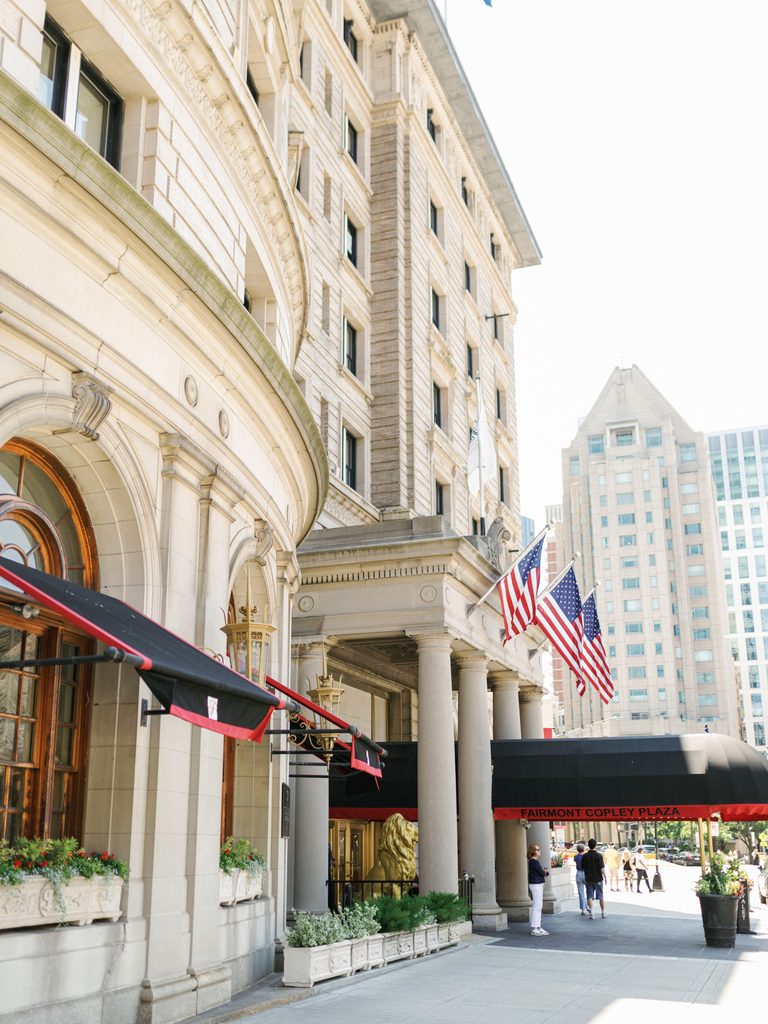
Fairmont Copley Plaza brings together two visual sides of a Boston wedding: historic hotel interiors and the city surrounding Copley Square. The hotel opened in 1912, and its character remains visible across the property through ornate architectural details, crystal chandeliers, and the Beaux-Arts setting of Back Bay.
For couples drawn to a wedding with a strong sense of place, the hotel keeps the historic interior and Boston city setting within the same visual route.
The hotel has fourteen event spaces, ranging from intimate rooms to the Grand Ballroom and its adjoining foyer. Several spaces can also connect with one another, giving the wedding different configurations for ceremonies, cocktails, dinner, and dancing.
The selected rooms shape the movement of the day, so it is useful to establish early which spaces are booked for each part of the celebration and how the photo and film team will move between them. Fairmont lists dedicated wedding planners and customizable menus among its wedding services.
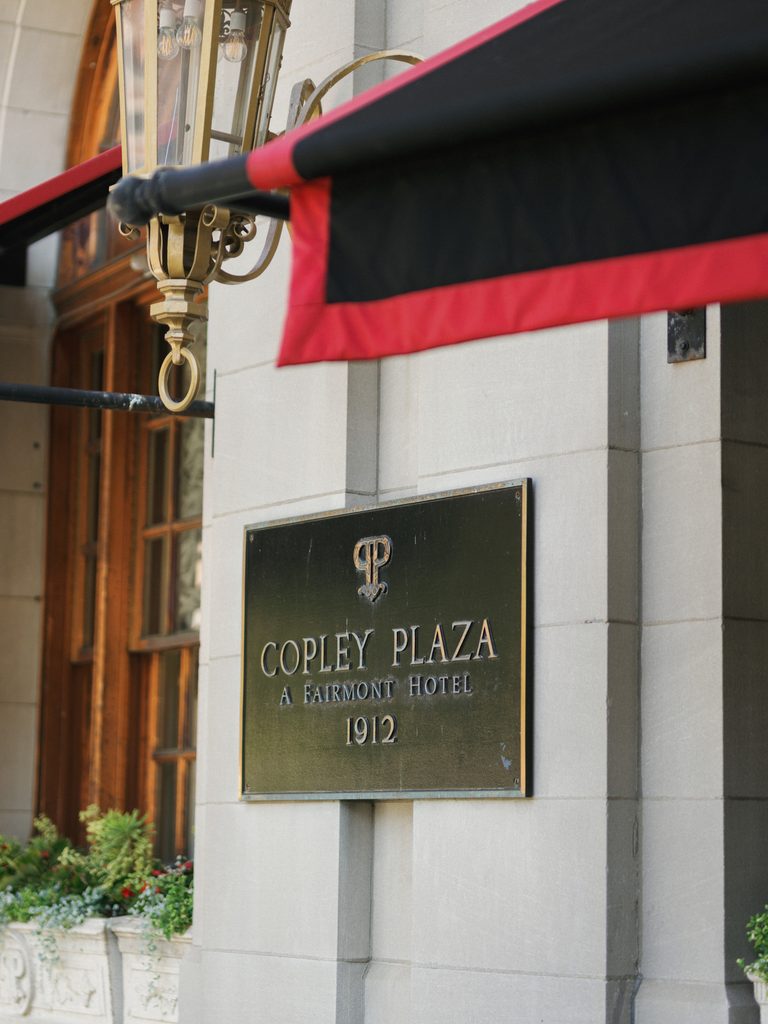
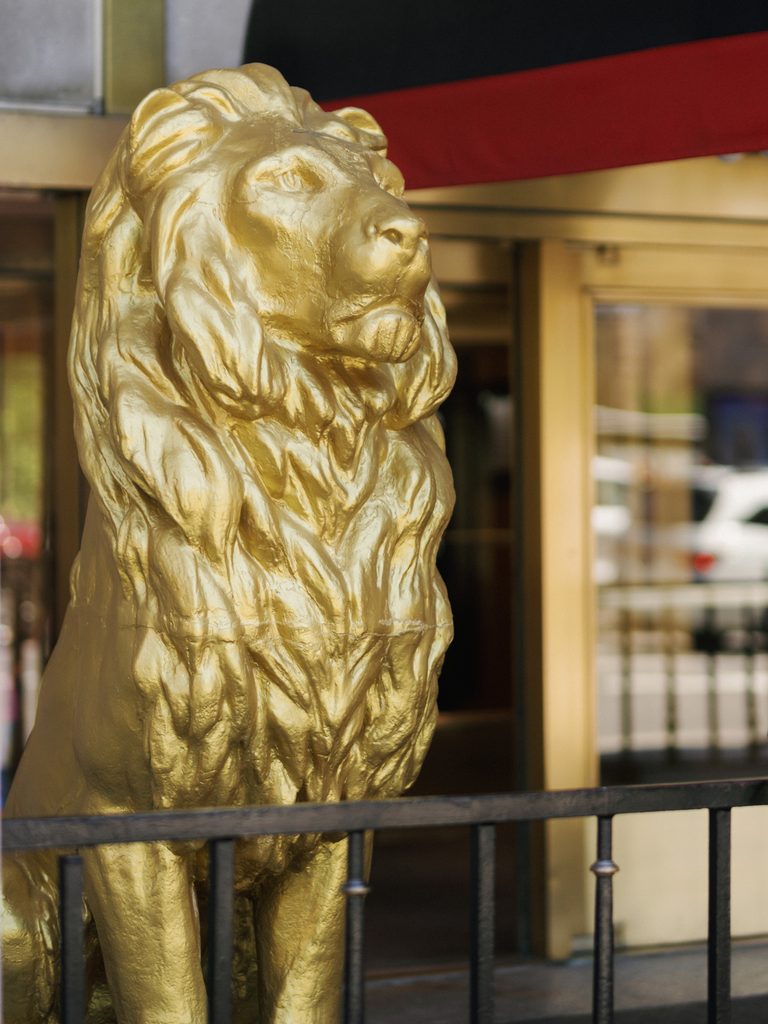
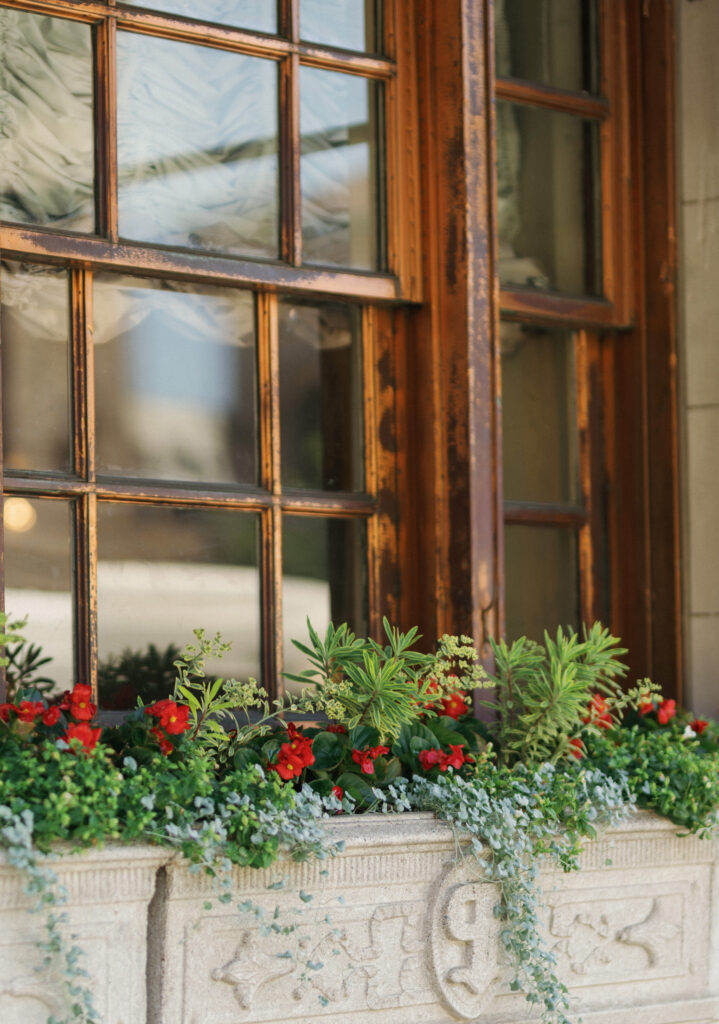
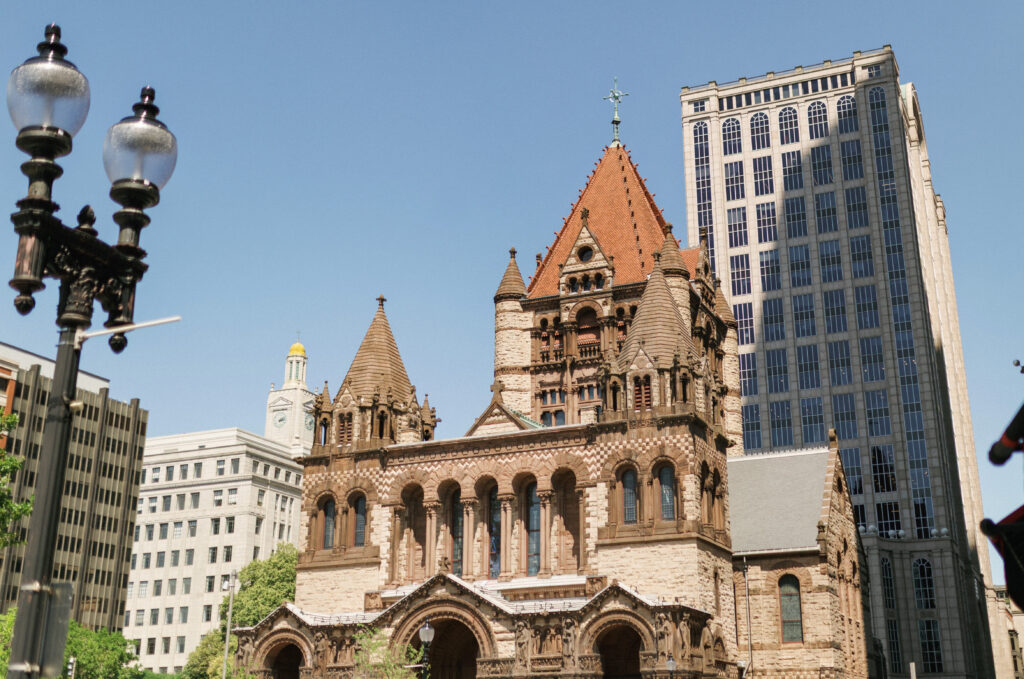
The location adds another layer to the experience. Fairmont Copley Plaza stands at 138 St. James Avenue in Back Bay, directly on Copley Square, facing Trinity Church and the Boston Public Library. Newbury Street and other recognizable Boston locations are also within walking distance. A wedding can therefore move from the hotel’s historic interiors into a distinctly Boston setting for a short portrait sequence, keeping the city connection close to the venue.
A Photo Route Through Historic Interiors
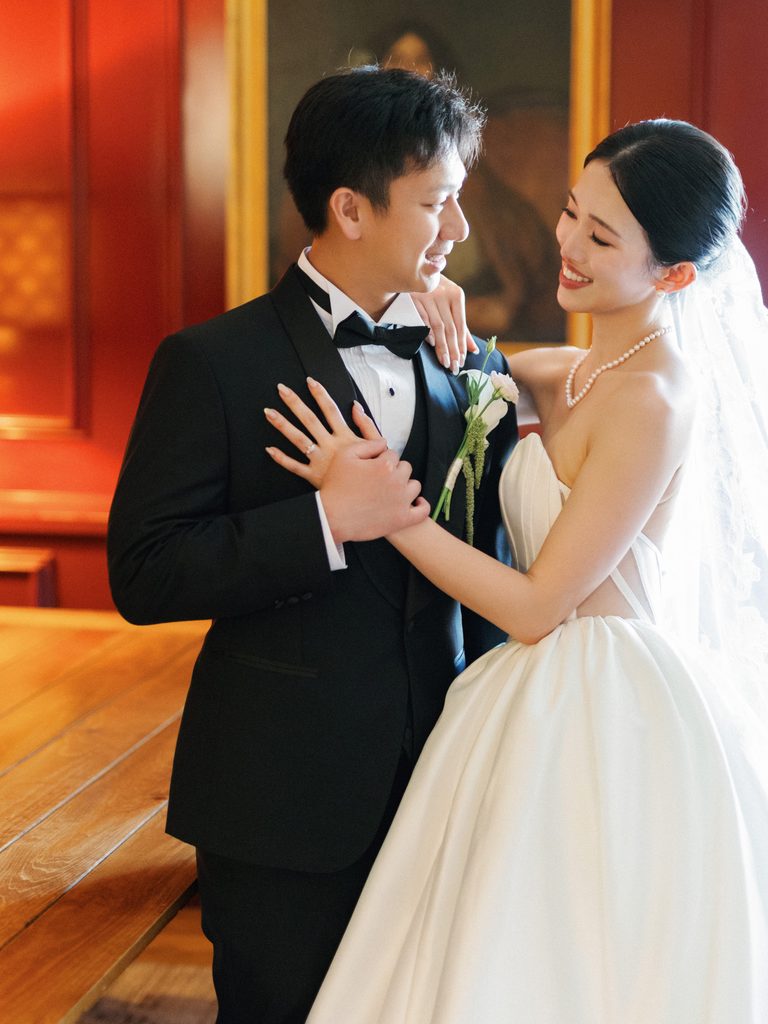
A hotel with this much architectural detail gives the wedding gallery several visual environments within a compact address. Getting ready can begin in a guest room or suite, with details, personal moments, and preparation photographs establishing the setting before the couple moves into the event spaces.
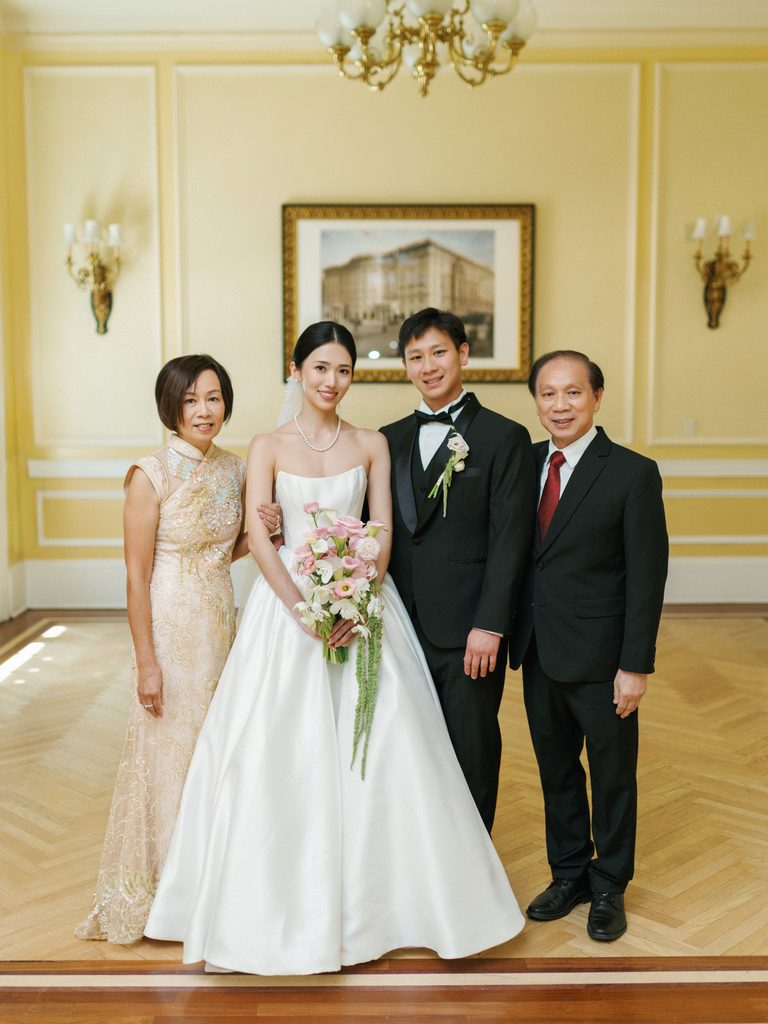
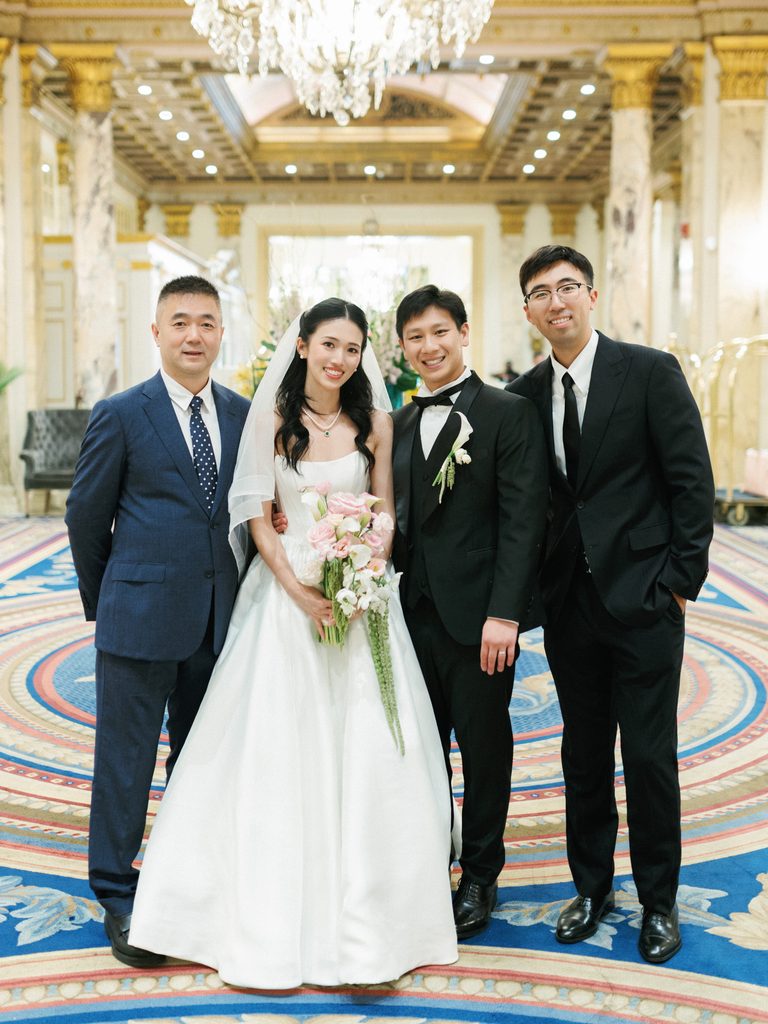
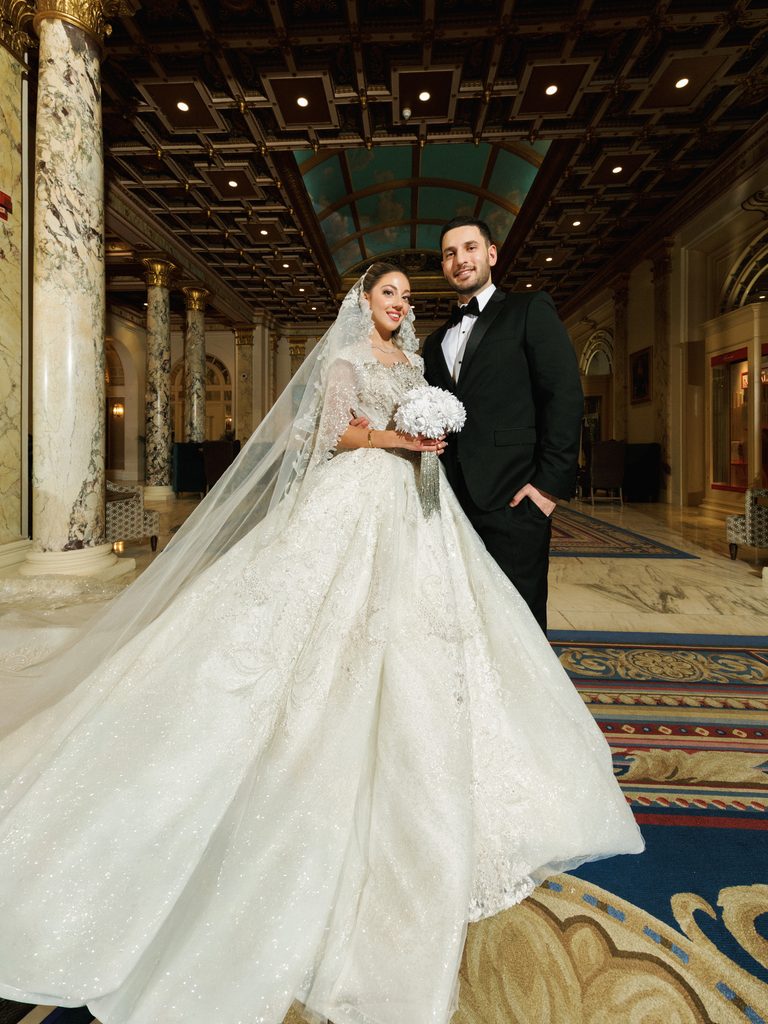
The lobby can introduce the hotel’s historic character before the wedding moves into the private event spaces. Its architectural details, gilded surfaces, chandeliers, and grand scale provide room for arrival photographs and portraits that establish the Fairmont Copley Plaza setting from the first frames. The grand staircase adds another strong architectural position, and Fairmont highlights it as a setting for dramatic entrances.
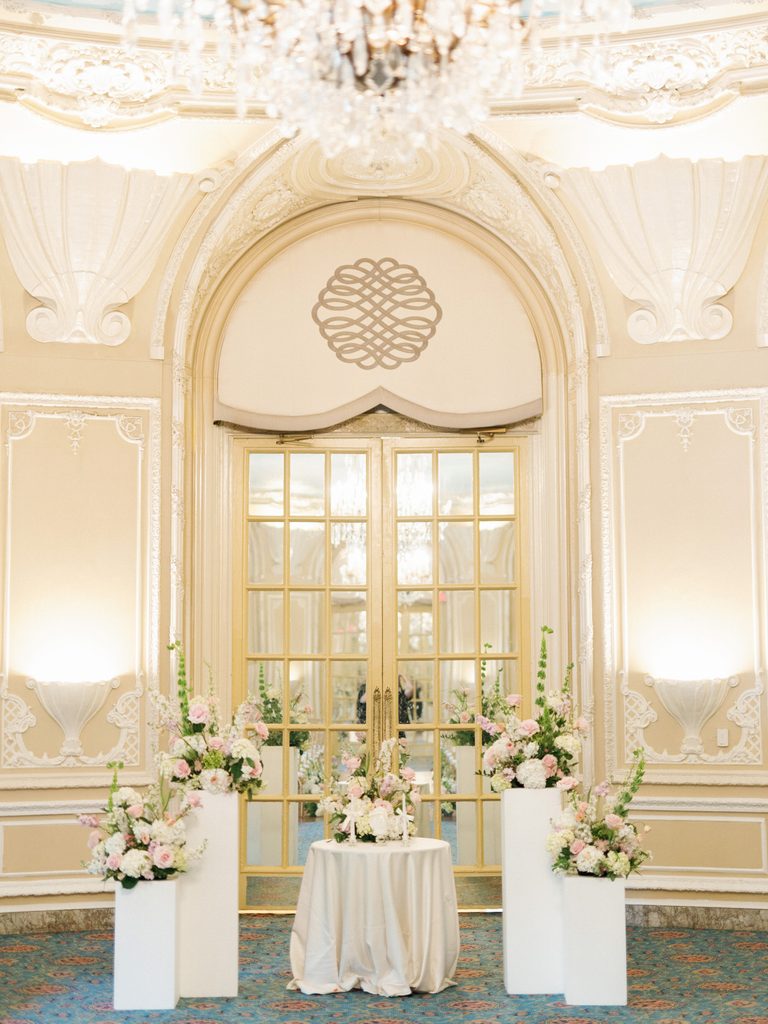
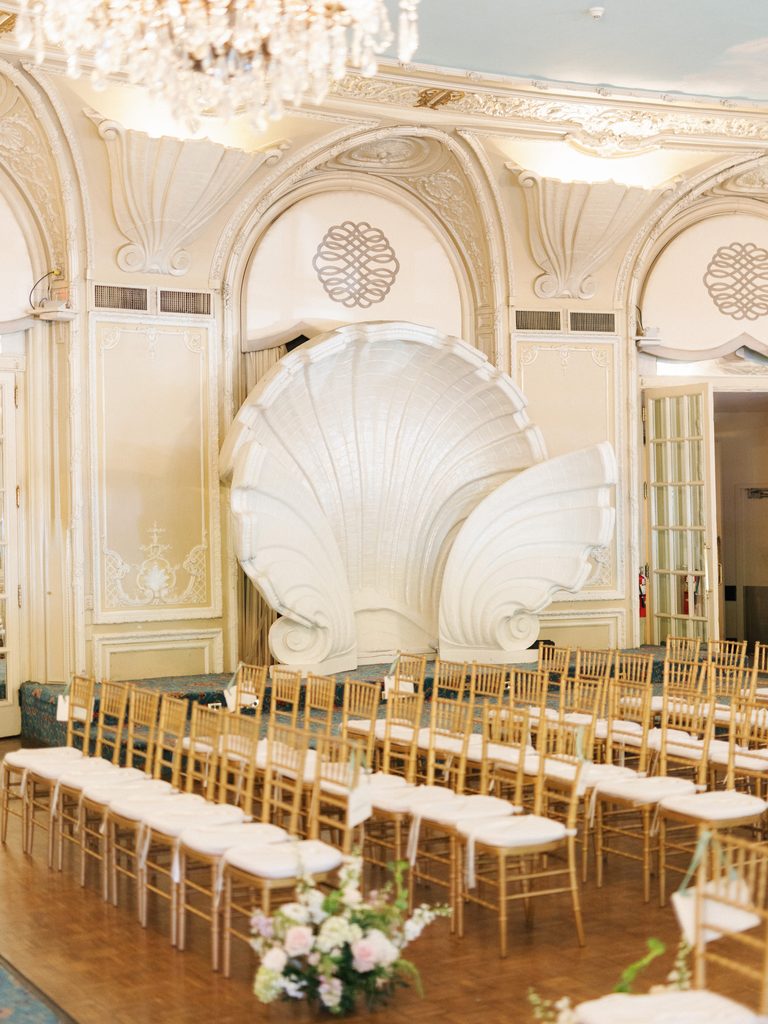
The route can then move through the hotel’s more distinctive rooms. The Venetian Room’s octagonal form and Renaissance-inspired details suit closer portraits where the architecture remains visible around the couple.
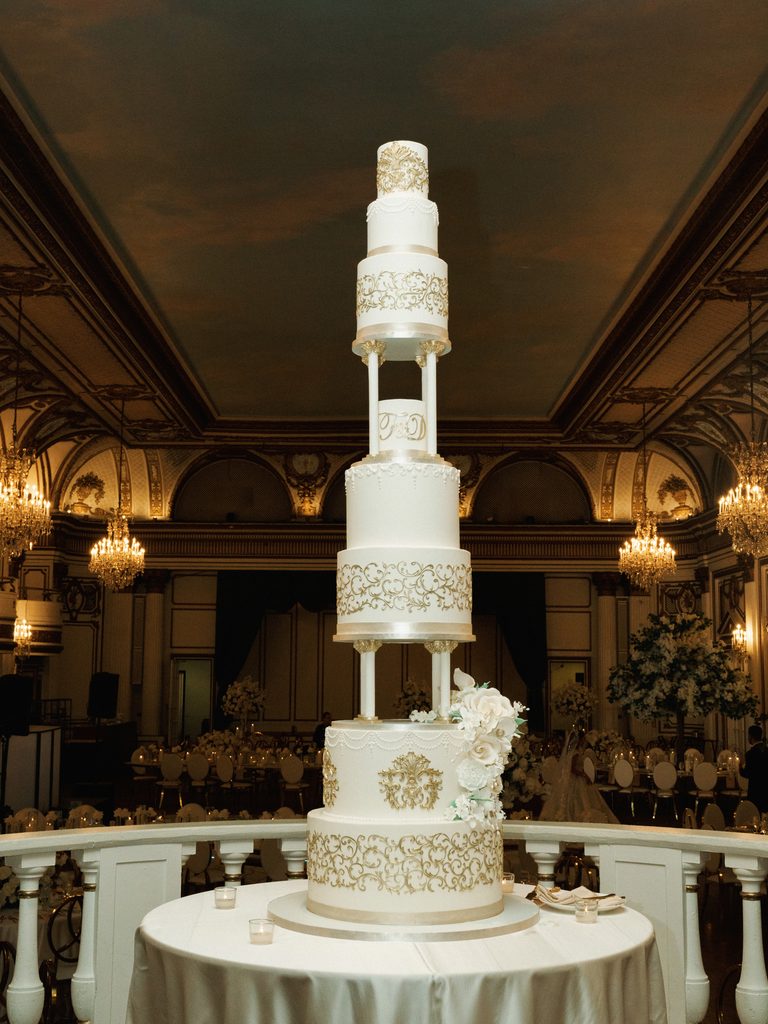
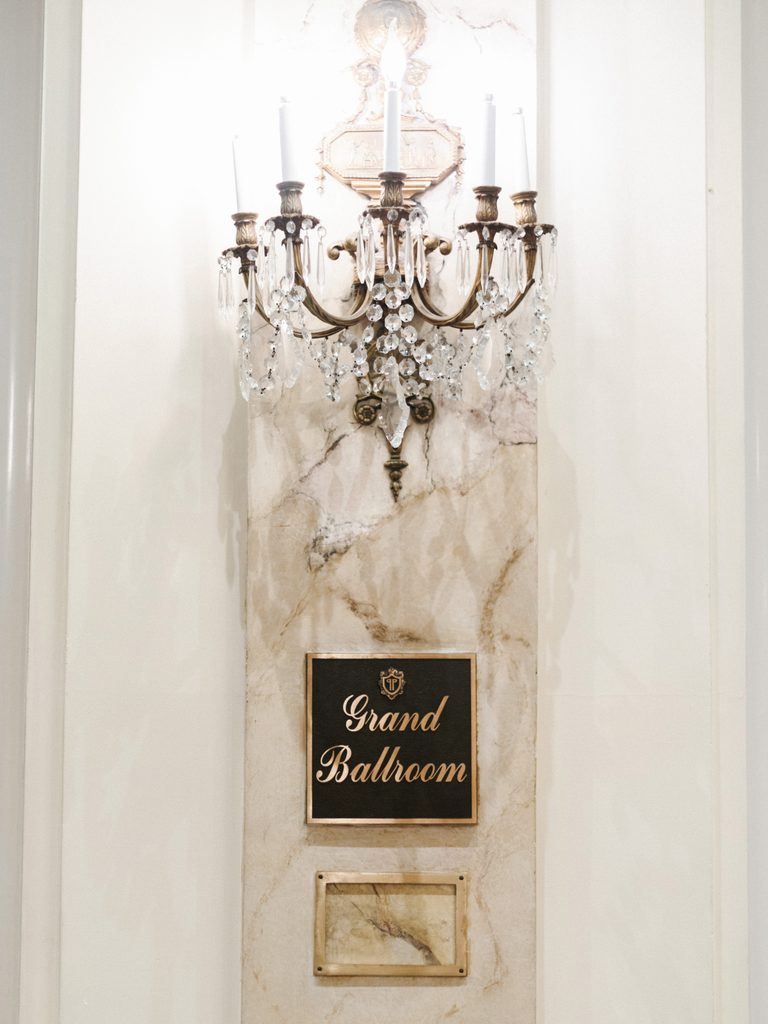
The Grand Ballroom opens the frame, bringing its height, chandeliers, gilded ceiling, and broad floor into wider compositions. The Oval Room combines crystal chandeliers, French doors, hand-carved molding, and views toward Copley Square, creating another setting for portraits that connect the interior with Boston outside.
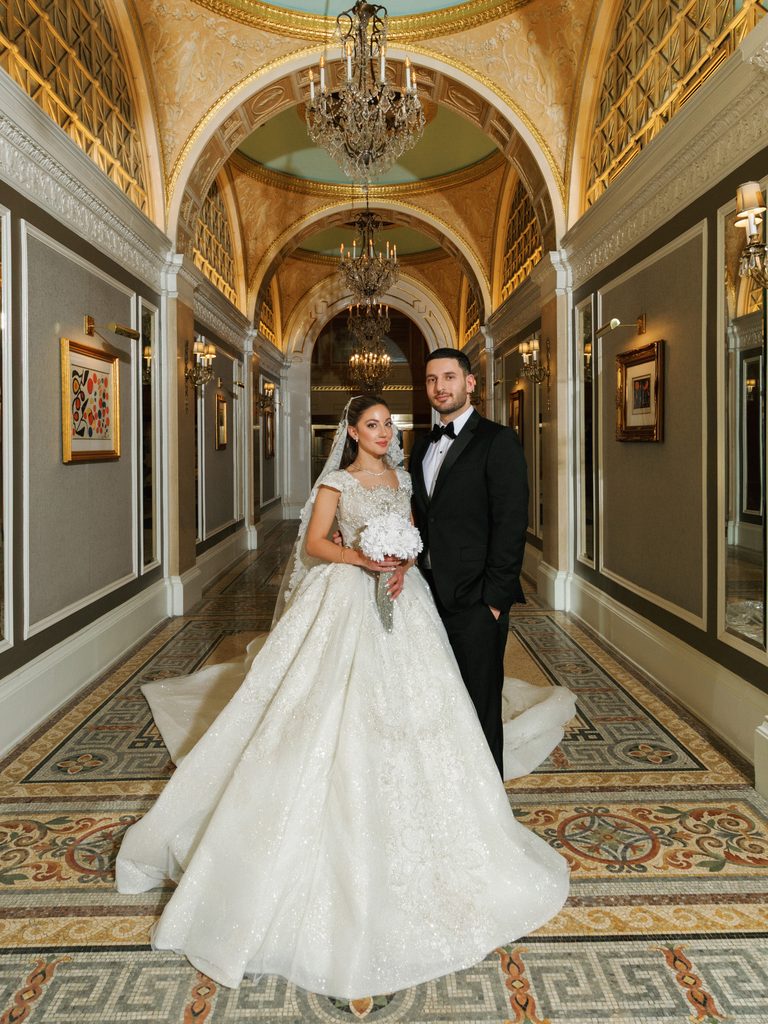
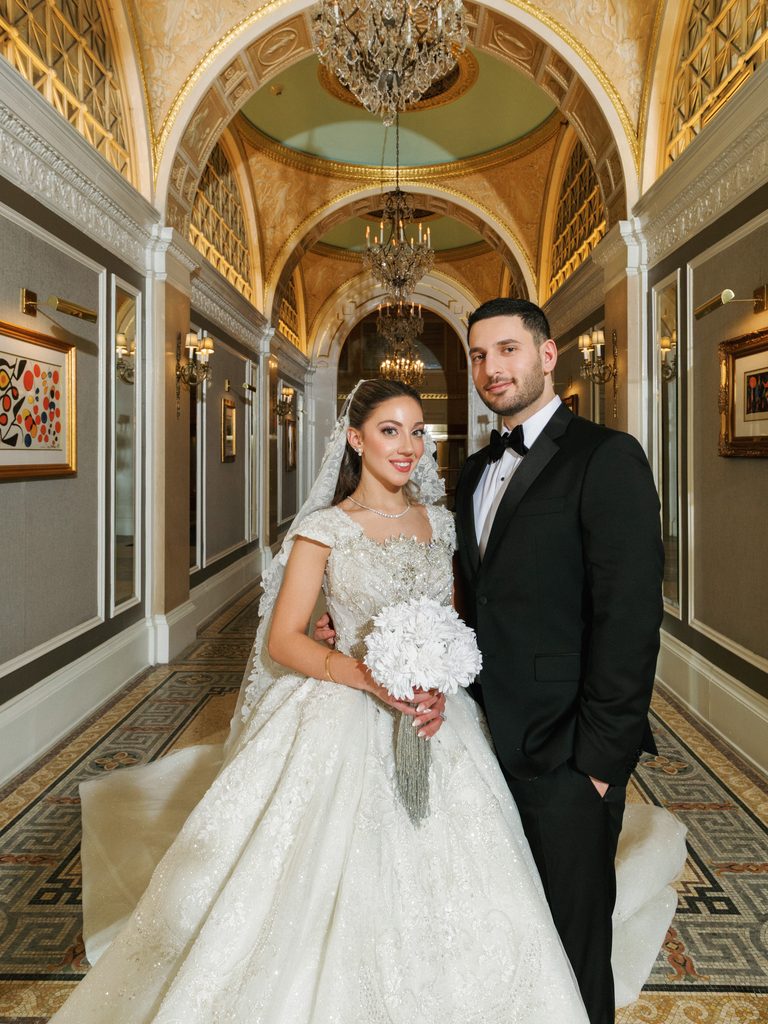
The library and the hotel’s more intimate architectural spaces can bring a quieter rhythm to the gallery. These locations can suit portraits with less emphasis on the scale of a ballroom and more attention to books, woodwork, furniture, and smaller architectural details. Laurel Court can add another distinctive setting to the route, giving the photography team a location with a different atmosphere from the formal event rooms.
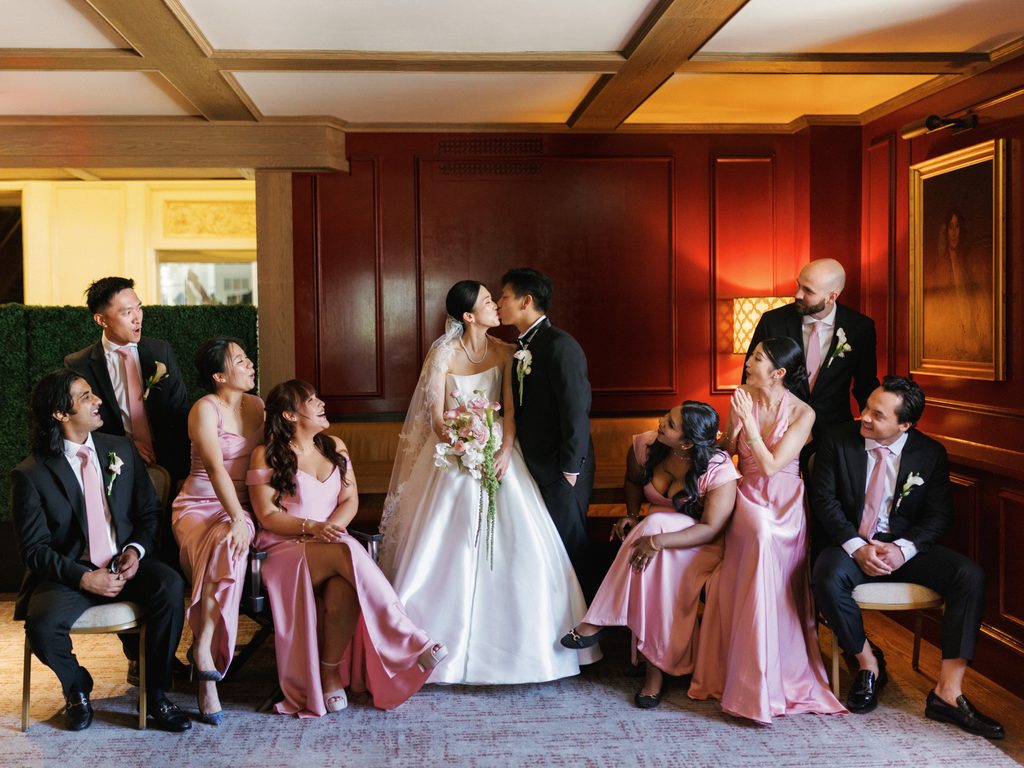
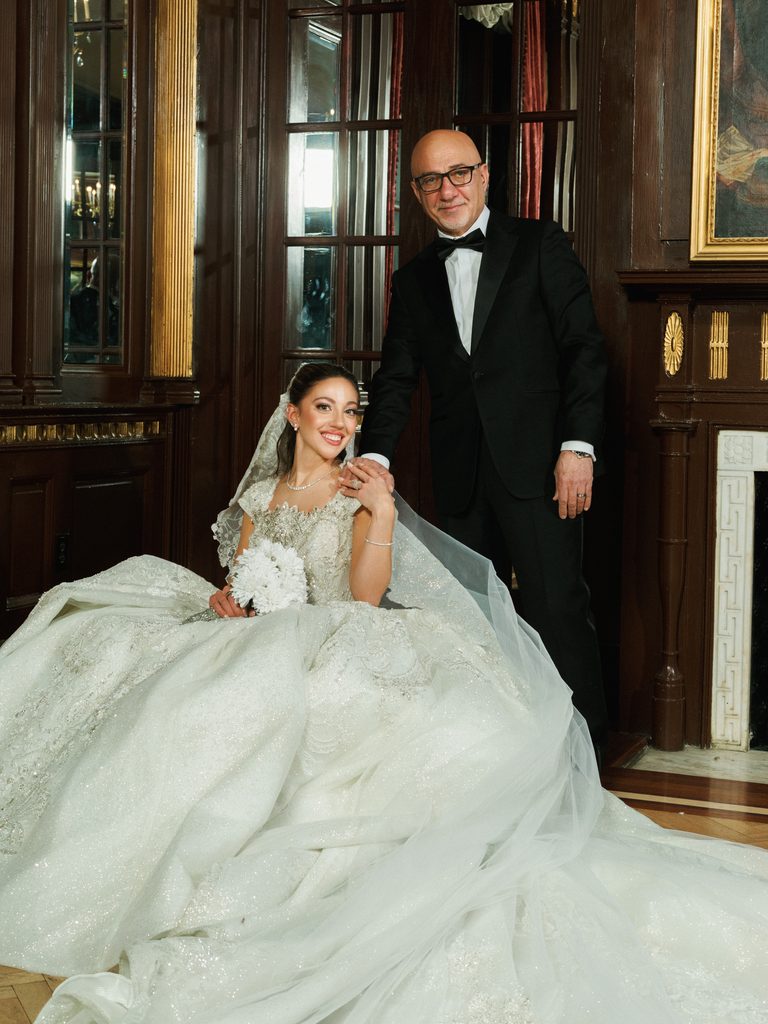
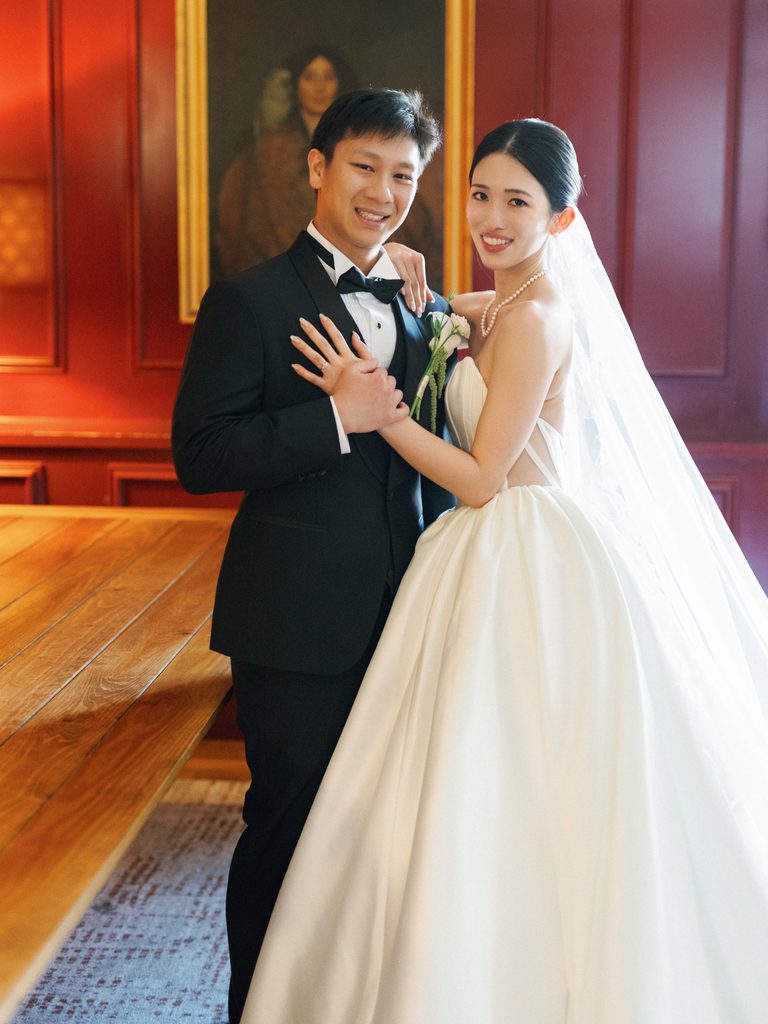
The St. James Room brings a warmer material palette through its mahogany walls and soaring atrium windows, offering a quieter architectural setting for portraits and family photographs. Moving between these spaces can give the gallery a sense of progression, with each location contributing a different relationship between the couple, the architecture, and the surrounding hotel.
Expert Note
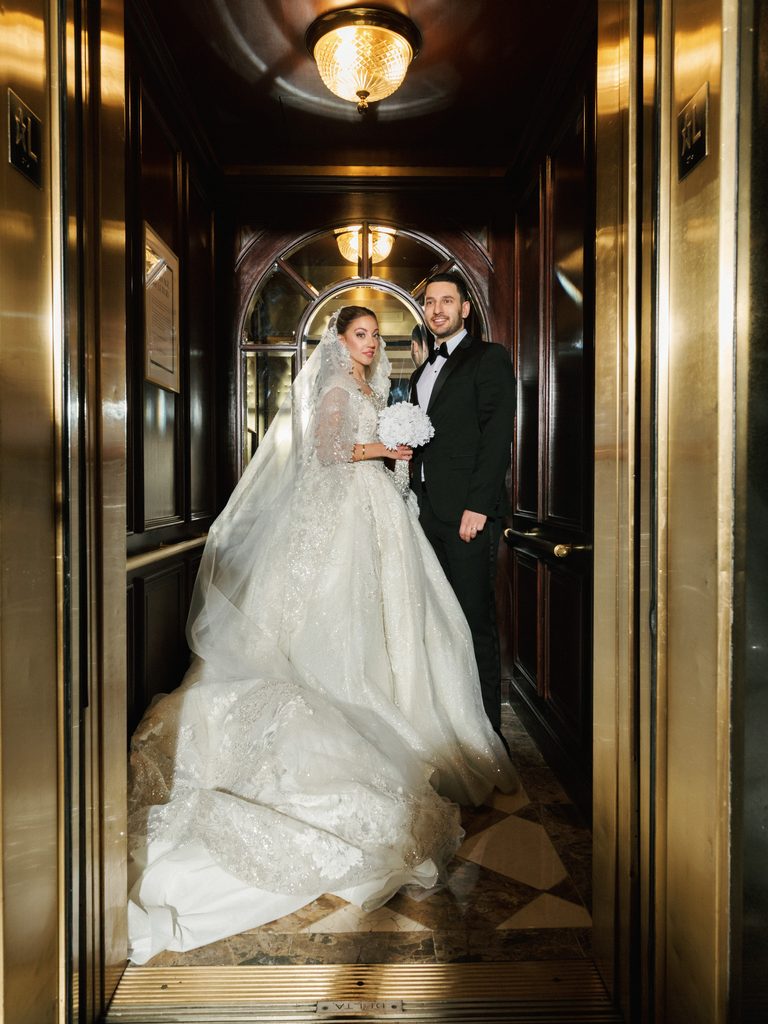
A well-planned hotel portrait route can use several nearby spaces with a clear purpose for each one. One room may suit close portraits, another may carry the scale of the architecture, and another may provide a quieter setting for family photographs. The sequence also needs to account for the activity around the rooms, particularly when guests are arriving or reception spaces are being prepared.
Copley Square and the City Outside
Stepping outside Fairmont Copley Plaza brings the wedding into Copley Square and the wider Back Bay setting. The hotel faces Trinity Church and the Boston Public Library, with Newbury Street and other recognizable Boston destinations within walking distance. Open sky, street perspective, and surrounding architecture bring a different scale to the photographs after the detailed interiors of the hotel.
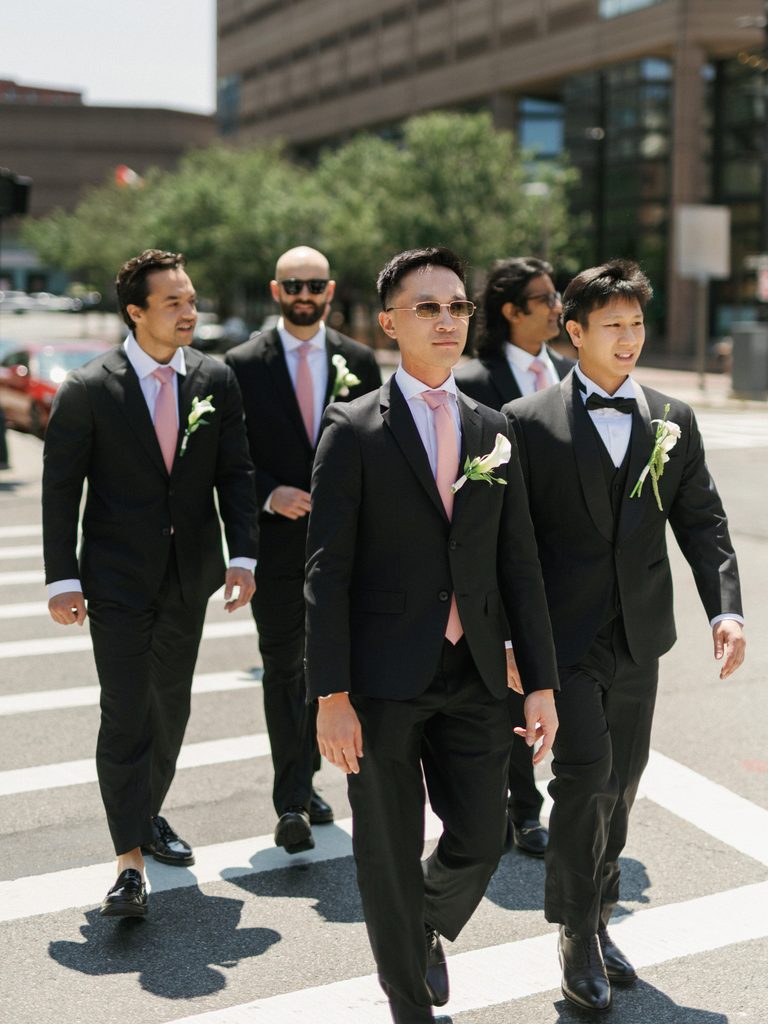
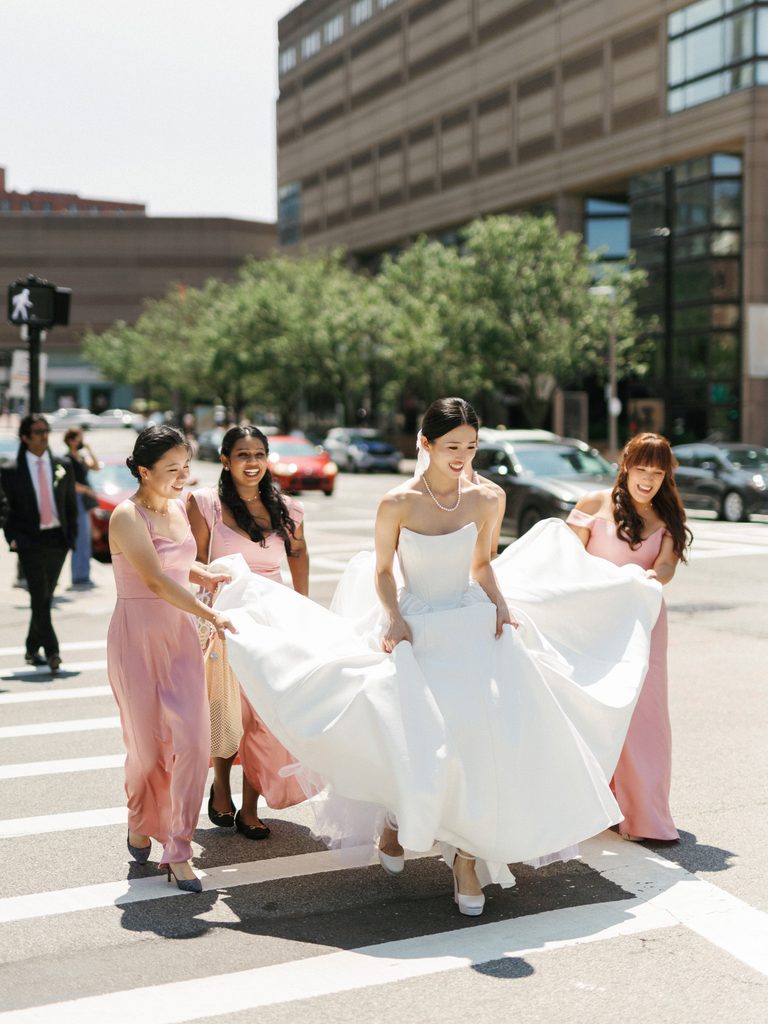
For portraits, the city portion can remain short and deliberate. A few photographs outside the hotel can place the couple within Boston and add movement to the visual route, with the timing shaped by the season, daylight, weather, pedestrian activity, and the schedule inside the hotel. Formal wedding attire also makes comfort a practical part of the timing, particularly during colder months.
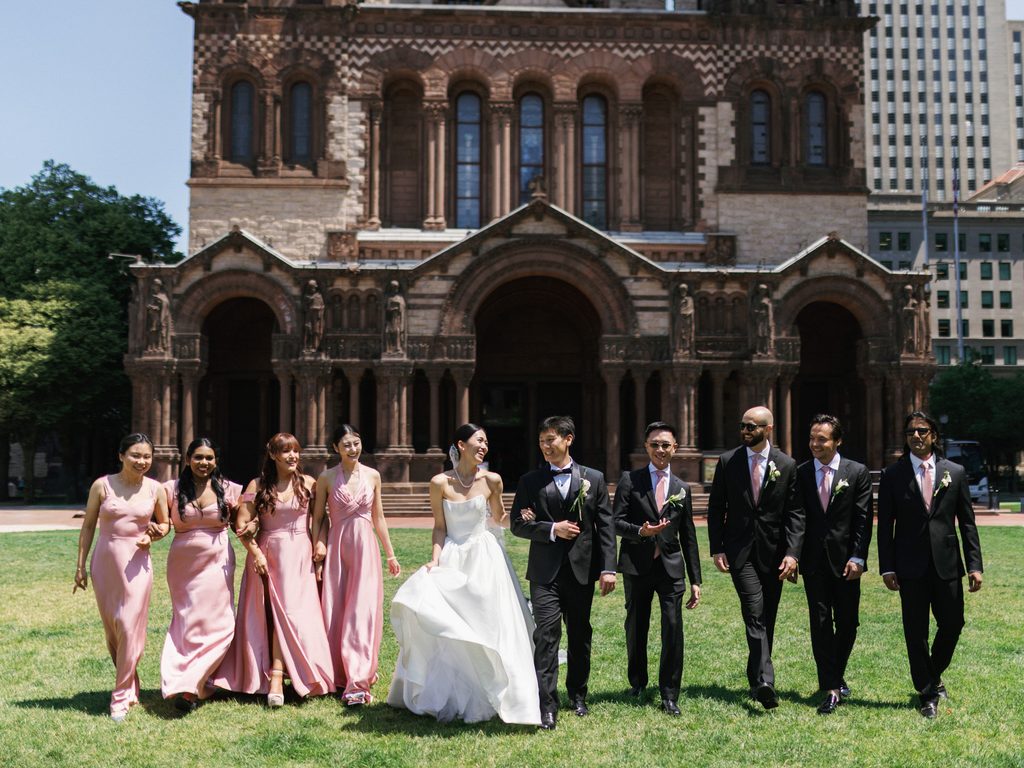
The outdoor portion can carry a different rhythm in film. Footsteps on the pavement, passing traffic, city sounds, changing light, and the couple moving through the square can connect the hotel setting with the city around it. A short sequence outside can then lead back into the reception without turning the portrait route into a separate excursion.
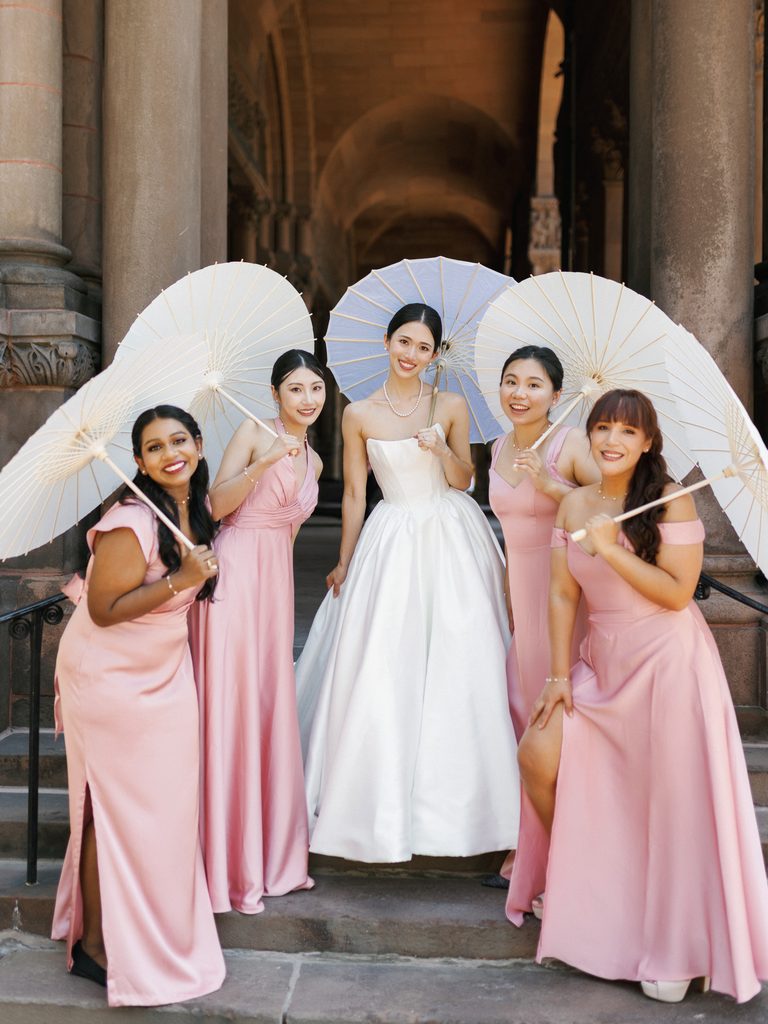
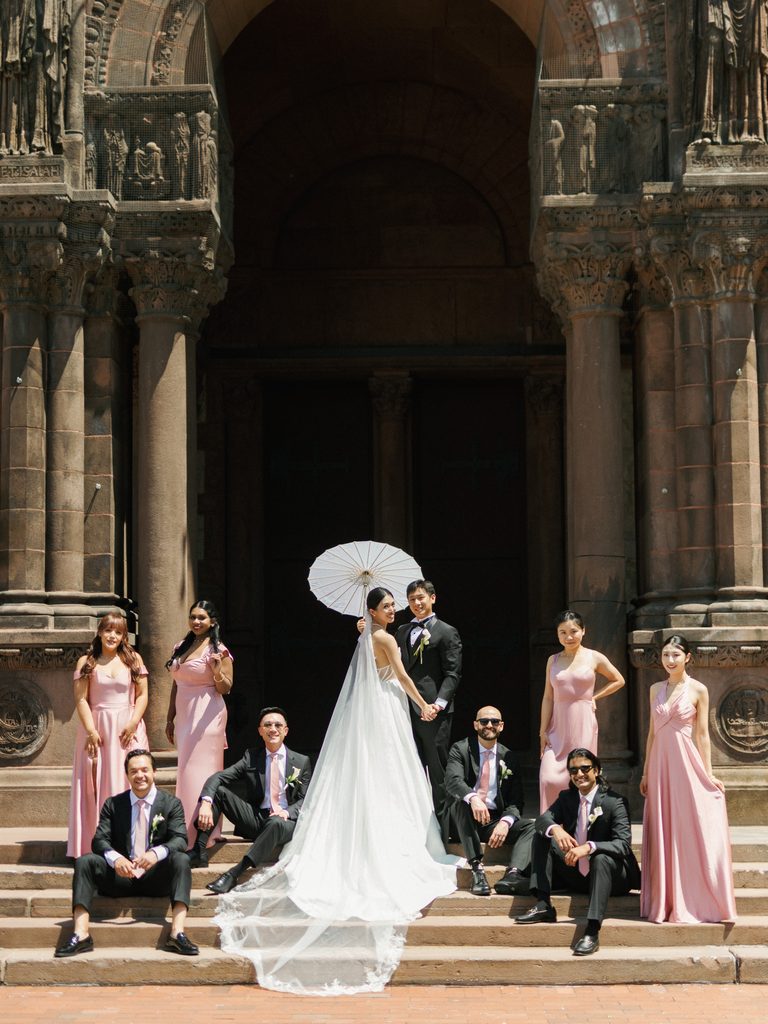
The route can be planned with an indoor alternative in mind. The photo and film team can confirm which exterior areas suit the intended coverage, how long the couple can be away from the hotel, and whether the venue has any guidelines for photography or filming in public-facing areas. If the weather changes, the portrait sequence can return to the hotel’s interiors and continue through the architectural spaces already selected for the day.
Expert Note
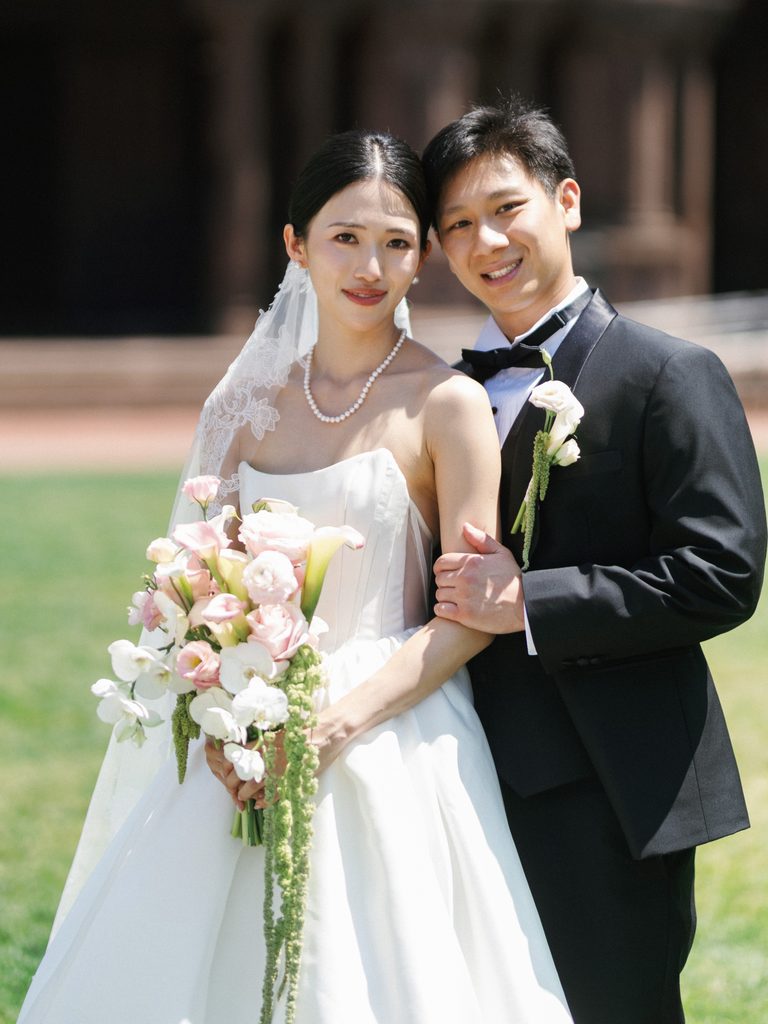
Copley Square works as an extension of the venue’s visual language because the city setting remains immediately connected to the hotel. A short exterior sequence can introduce open space and movement between indoor portions of the day, then return to the reception without adding a separate travel leg to the timeline.
How to Document a Full Celebration
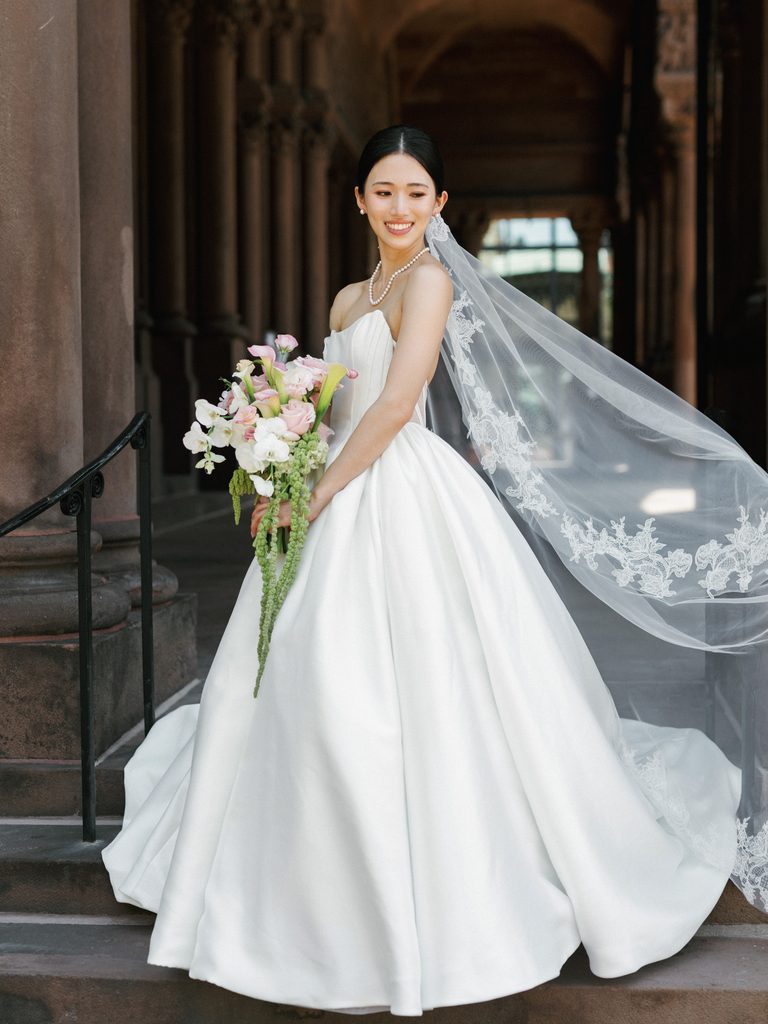
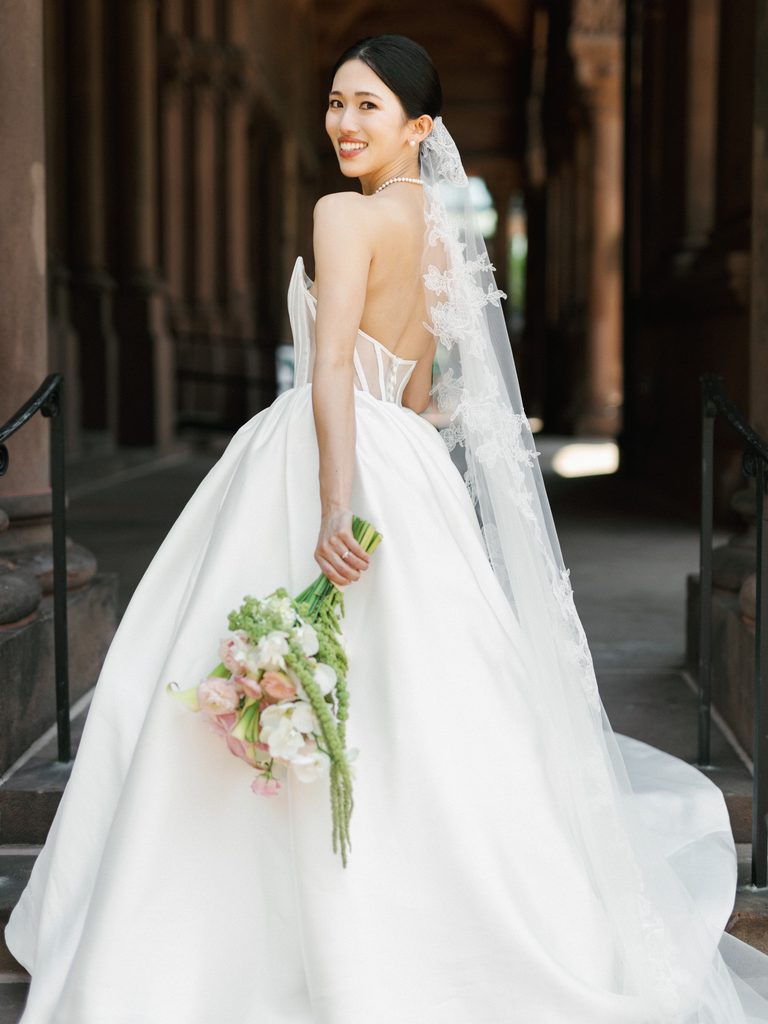
A full Fairmont Copley Plaza wedding can move from preparation and details into portraits, ceremony coverage, dinner, speeches, first dances, and an evening reception. The final gallery follows that progression through still photographs, with the selected rooms and city setting contributing to the visual language of the day.
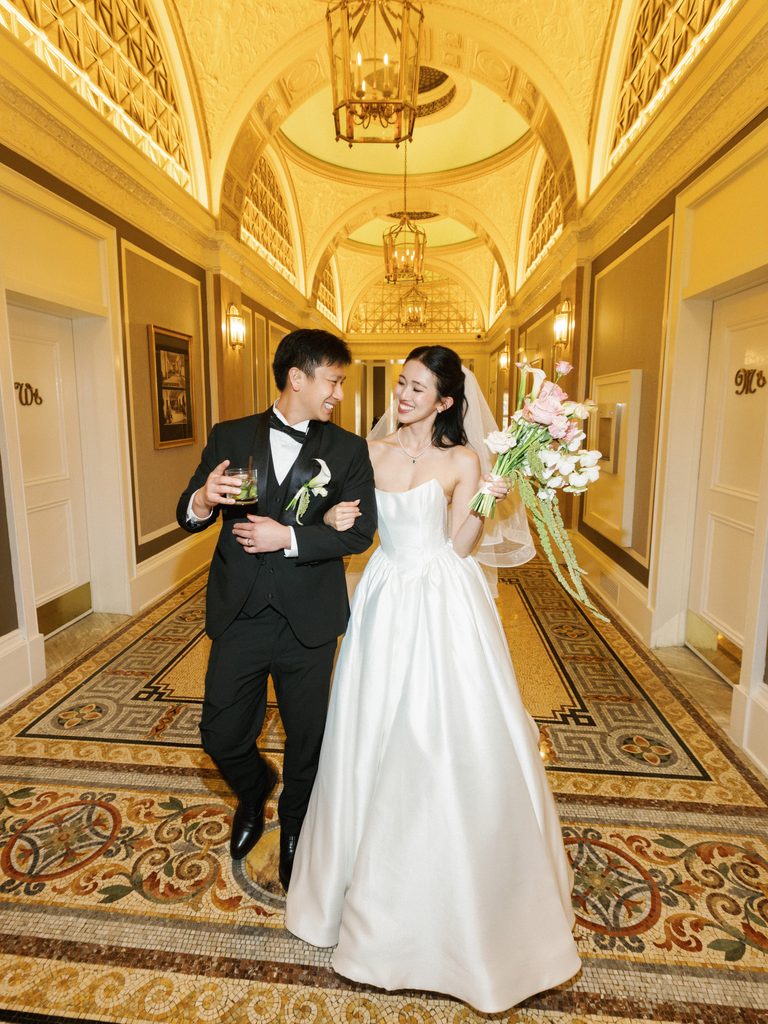
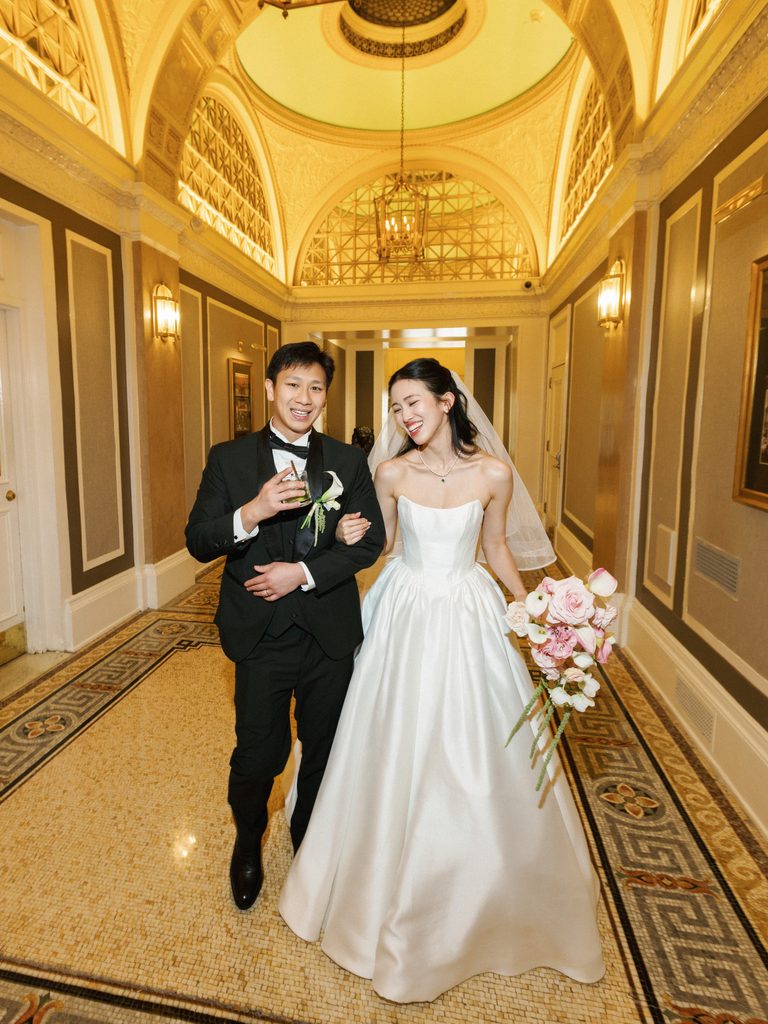
Film records the same celebration through duration, sound, movement, and the space between individual moments. A toast carries the speaker’s voice. A first dance includes the movement of the couple and the reactions around them. A room filling with applause has a rhythm that a still photograph can suggest, while film preserves that atmosphere through sound and motion.
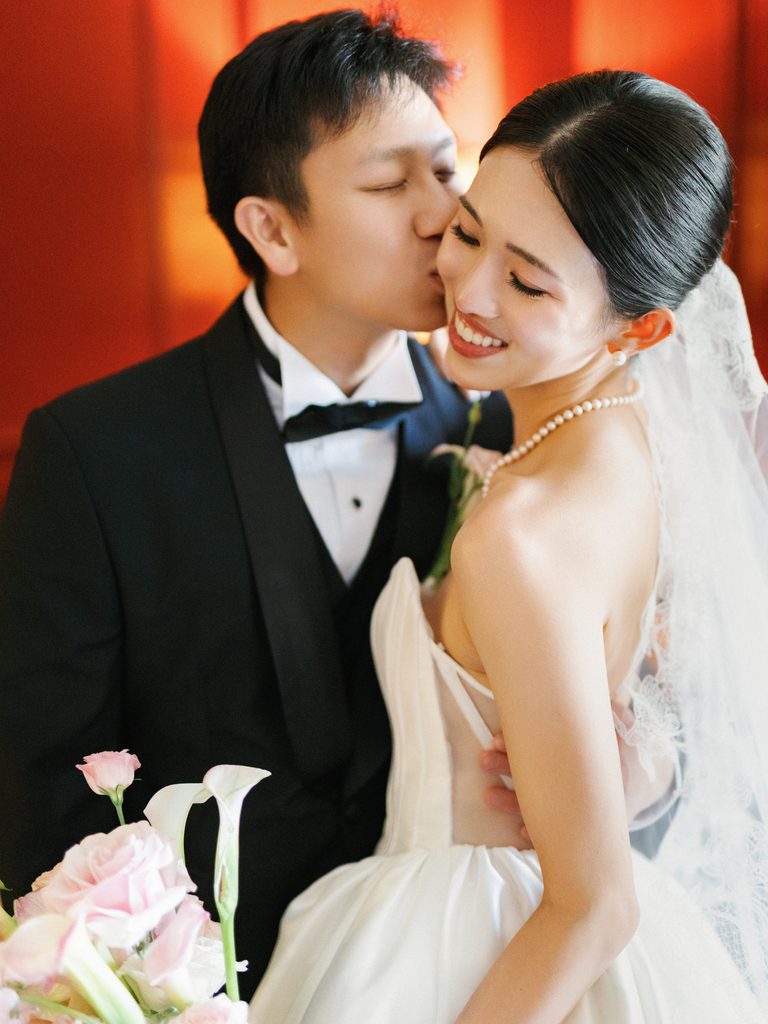
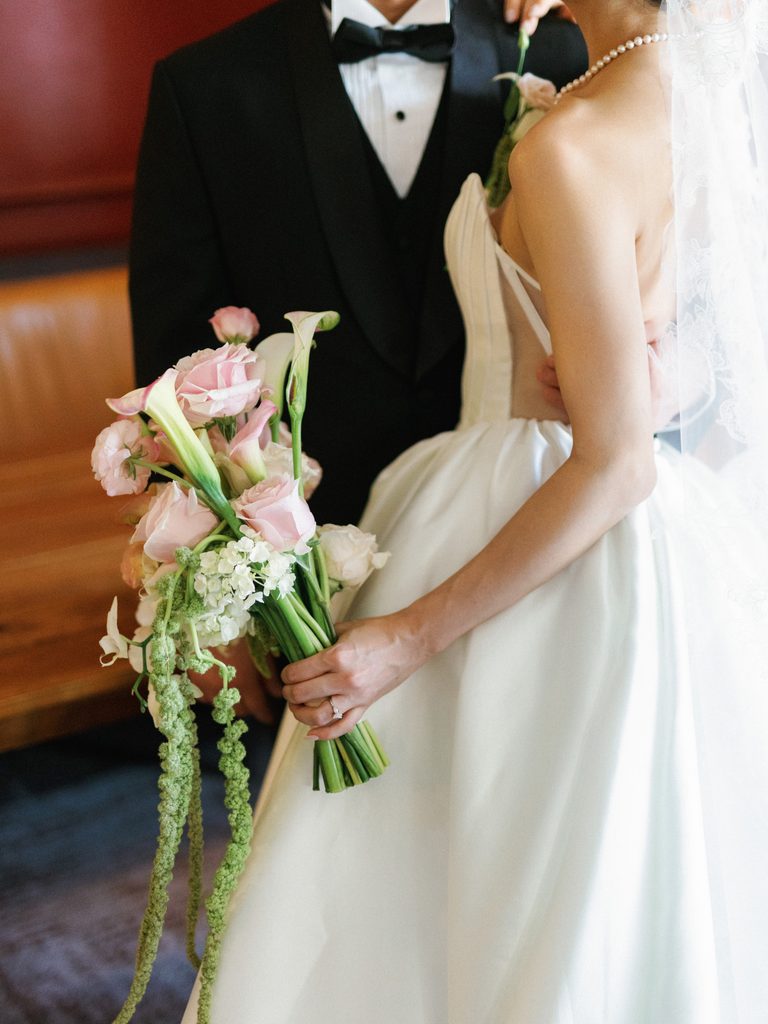
The Grand Ballroom offers a clear example of how the two forms of coverage work together. A wide photograph can hold the ceiling, chandeliers, guests, and dance floor in one composition. Film can move through the room, following the couple, guests, music, speeches, and reactions as the evening develops. The gallery preserves individual frames from those moments, and the film carries the spoken words, movement, and ambient sound connecting them.
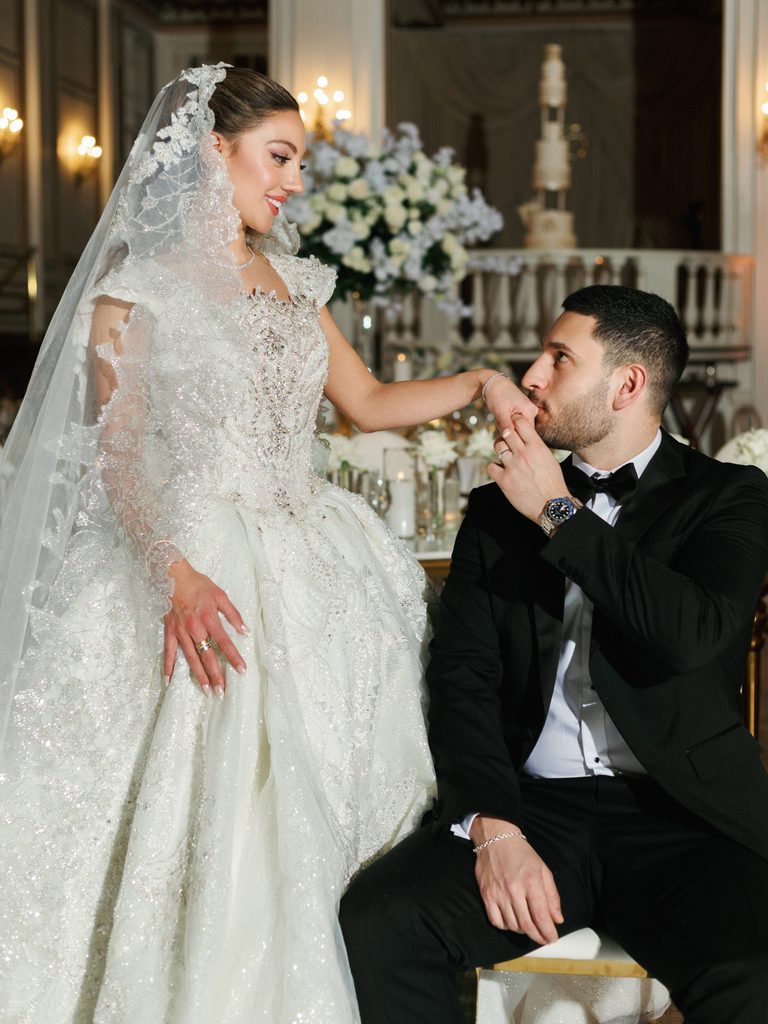
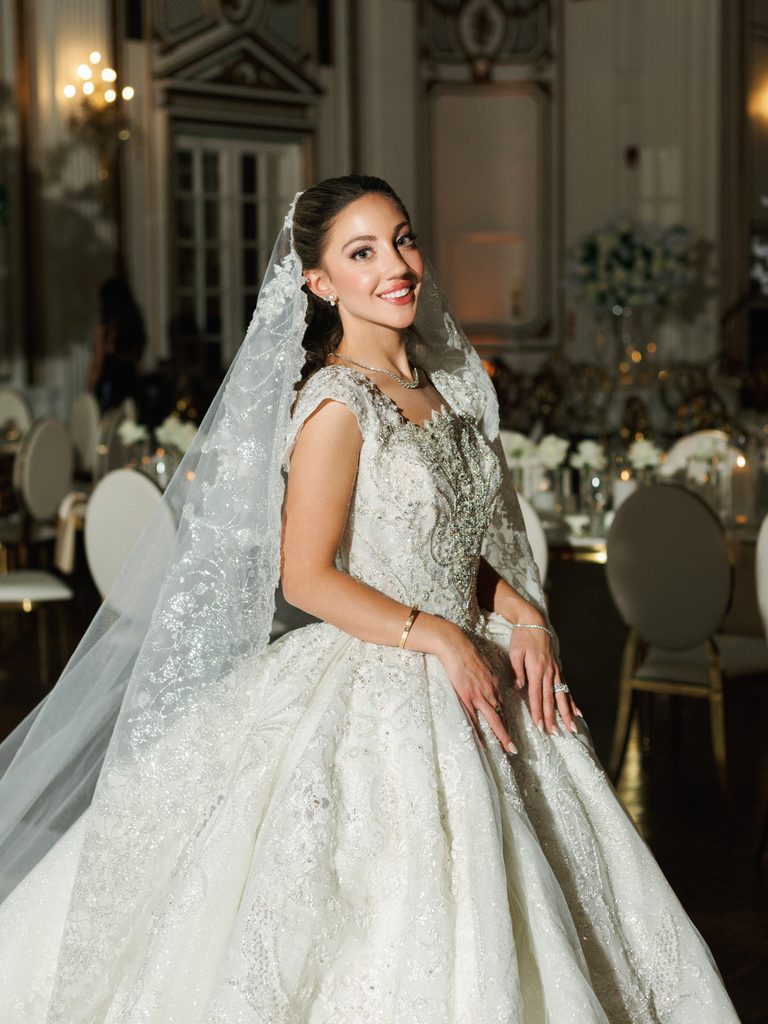
A coordinated photo and film team can also divide positions around important moments. During a speech, one camera can concentrate on the speaker and another on family reactions. During the first dance, the photographer can preserve individual expressions and gestures as the film team records movement and the atmosphere of the room. Working from the same timeline keeps both forms of coverage aligned with the reception and leaves space for guests to experience the celebration.
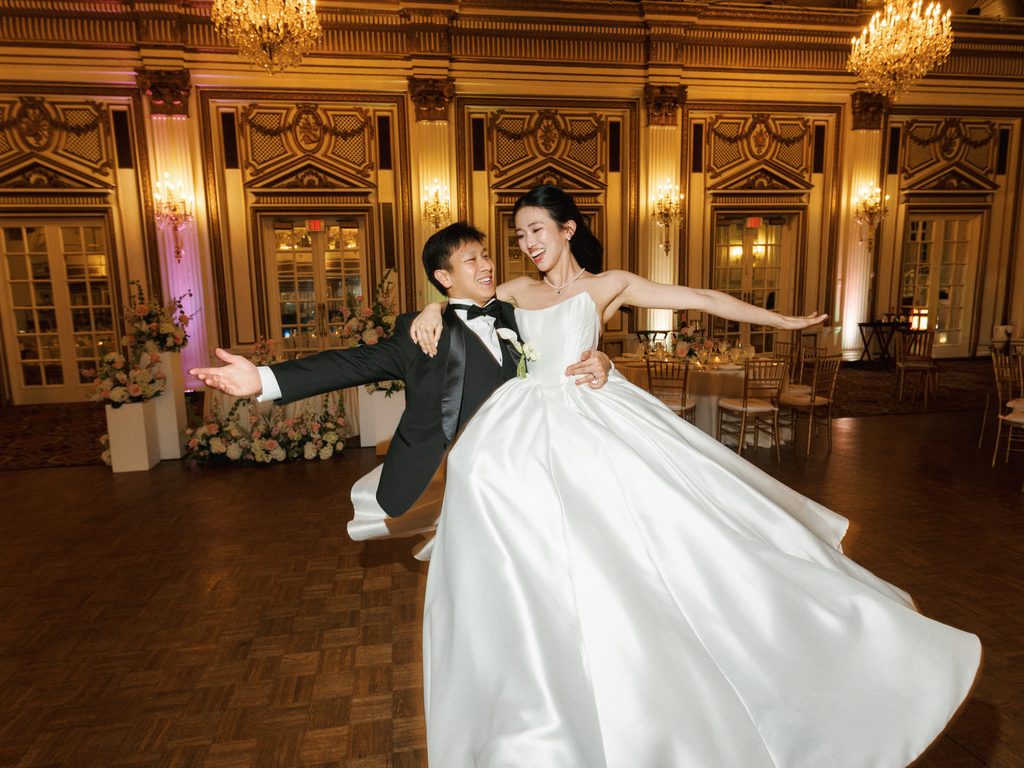
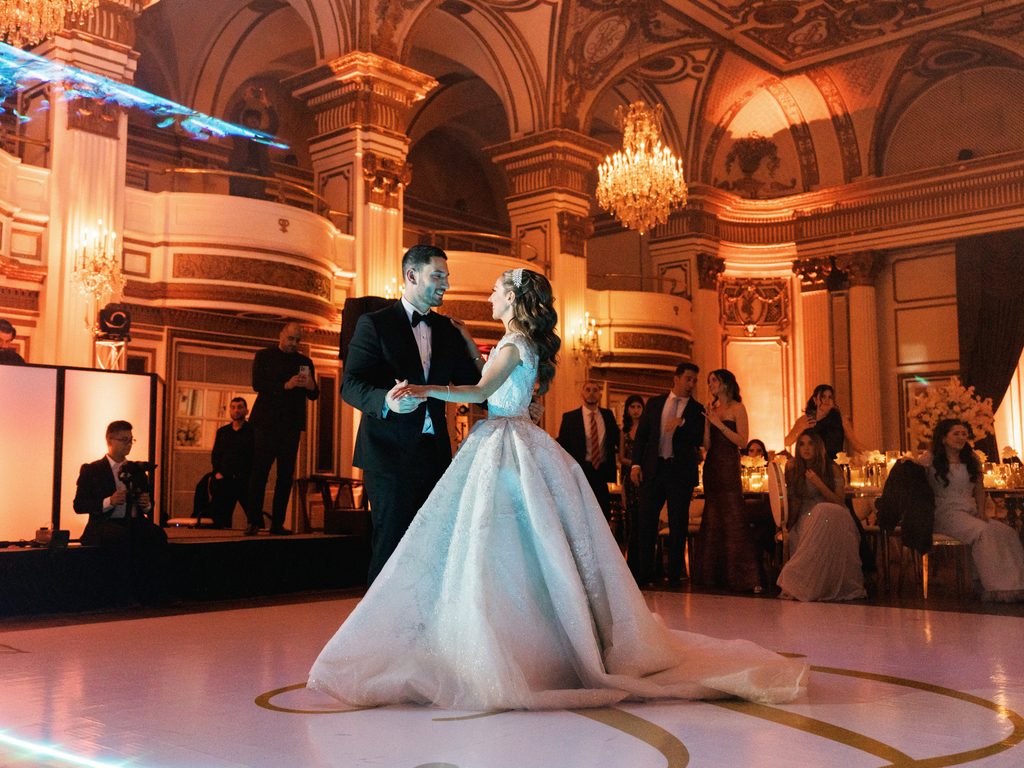
The finished record can then hold two sides of the same evening: composed photographs that preserve the hotel’s architecture, details, and expressions, alongside film that carries the voices, movement, music, and rhythm of the celebration.
Fairmont Copley Plaza Boston, Massachusetts.
Booking Questions for a Hotel Wedding
A hotel wedding can involve preparation rooms, corridors, event spaces, reception transitions, and staff working around the celebration. Before booking photo and film coverage, a few details can be confirmed with the hotel and the creative team:
- Access: How early can the photo and film team enter the booked event spaces and preparation rooms?
- Portrait locations: Which indoor spaces are available for private couple portraits and family photographs?
- Room transitions: Which spaces connect directly, and how much time should be reserved for movement between preparation, ceremony, portraits, and reception?
- Exterior portraits: What are the hotel’s guidelines for photography and filming in public-facing areas around Copley Square?
- Outdoor timing: How much time should be reserved for a short portrait session outside, based on the wedding date and season?
- Weather: Which indoor location can replace the exterior portion if weather changes?
- Team access: Where can photography and film equipment be placed before the reception, and how will the team move equipment between event spaces?
- Reception coordination: How will the photo and film team coordinate positions during speeches, entrances, first dances, and other moments where several people need attention at once?
- Lighting: Are there venue-specific lighting or candle requirements that should be included in the reception plan?
FAQ
What do Fairmont Copley Plaza weddings typically include in photo and film coverage?
Coverage can follow the full structure of the celebration, from preparation and details through portraits, ceremony, dinner, speeches, first dances, and dancing. The final coverage route depends on the rooms selected, the timeline, the season, and whether Copley Square portraits form part of the day.
What is Fairmont Copley Plaza like inside?
Fairmont Copley Plaza combines historic architectural details with a range of event spaces. The Grand Ballroom has gilded thirty-foot ceilings and crystal chandeliers. The Venetian Room is octagonal with Renaissance-inspired features, the Oval Room has crystal chandeliers, French doors, and hand-carved molding, and the St. James Room features rich mahogany walls and soaring atrium windows.
Where is Fairmont Copley Plaza located?
The hotel is at 138 St. James Avenue in Boston’s Back Bay, directly on Copley Square. Fairmont describes the property as facing Trinity Church and the Boston Public Library, with Newbury Street and other Boston destinations within walking distance.
Can Copley Square be part of the wedding portrait plan?
A short exterior portrait session can form part of the wedding route when the schedule, weather, and venue arrangements permit it. The exact route and any applicable photography or filming guidelines should be confirmed with the hotel before the wedding day.
Which rooms are available for weddings at Fairmont Copley Plaza?
The hotel lists fourteen event spaces, including the Grand Ballroom, Grand Ballroom Foyer, Venetian Room, Oval Room, St. James Room, Copley Room, and Singleton Room, along with suites and other event spaces. Capacity and room configuration vary by space and setup.
How does the reception room affect wedding photography and film?
Room scale, ceiling height, architectural details, entrances, guest layout, and available movement all influence the coverage route. A large ballroom can accommodate wide architectural photographs and moving reception footage, while a smaller room can bring more emphasis to close interactions and details.
What influences the cost of a Fairmont Copley Plaza wedding?
Fairmont Copley Plaza wedding cost varies according to the selected event spaces, guest count, wedding date, food and beverage arrangements, and additional services included in the celebration. Photography and film are usually planned separately, with coverage shaped by the timeline, number of locations, team size, and final deliverables.