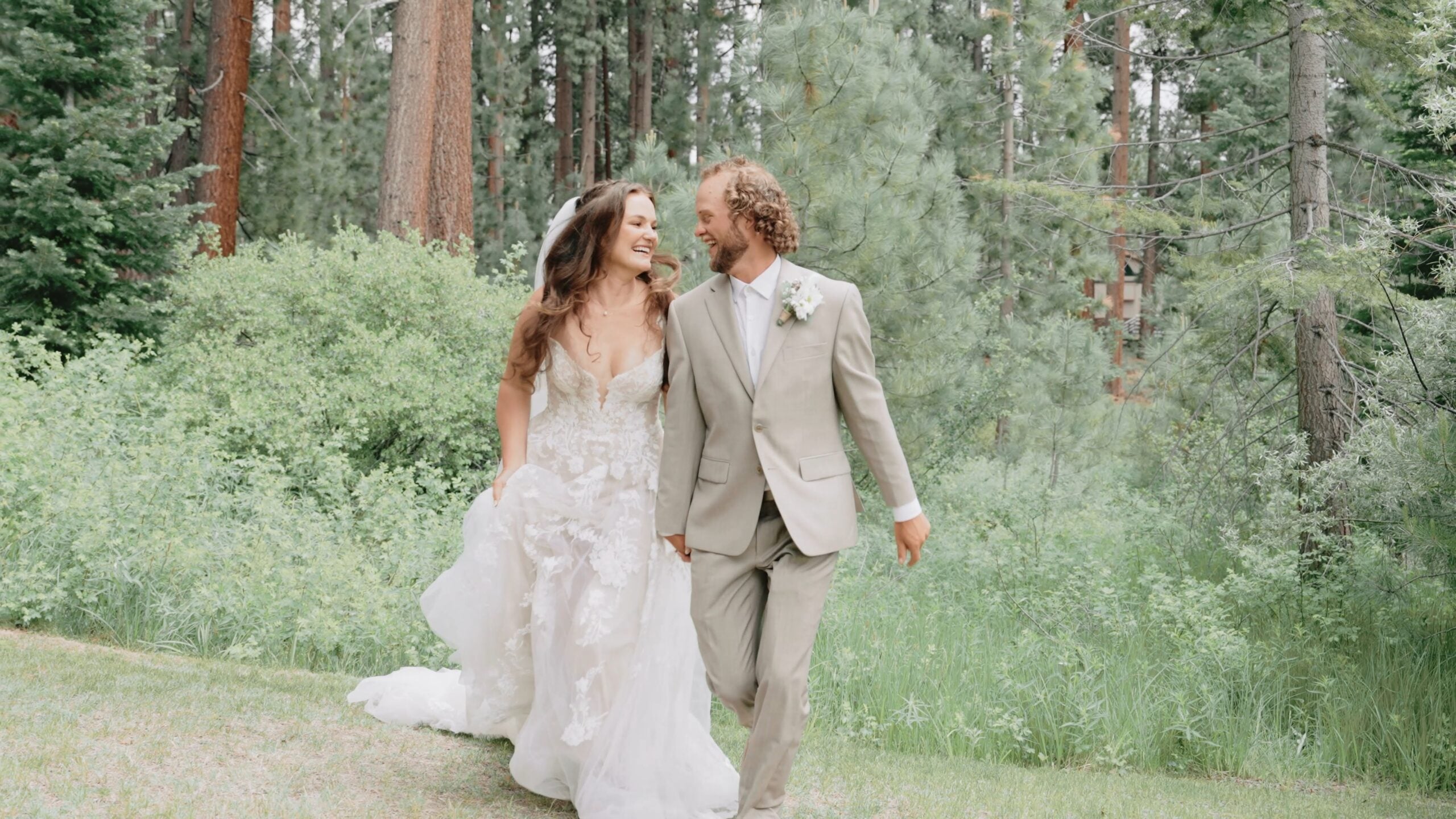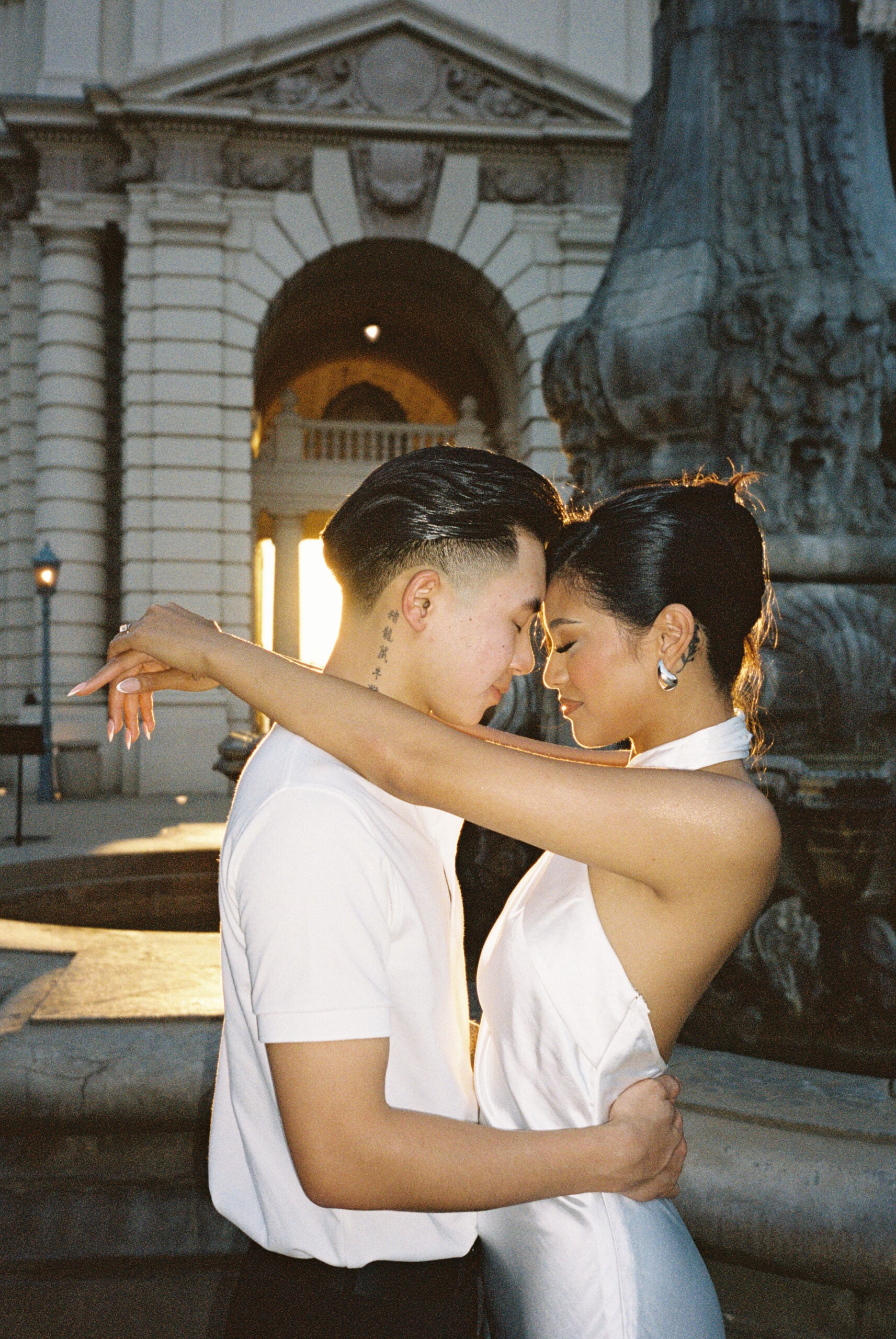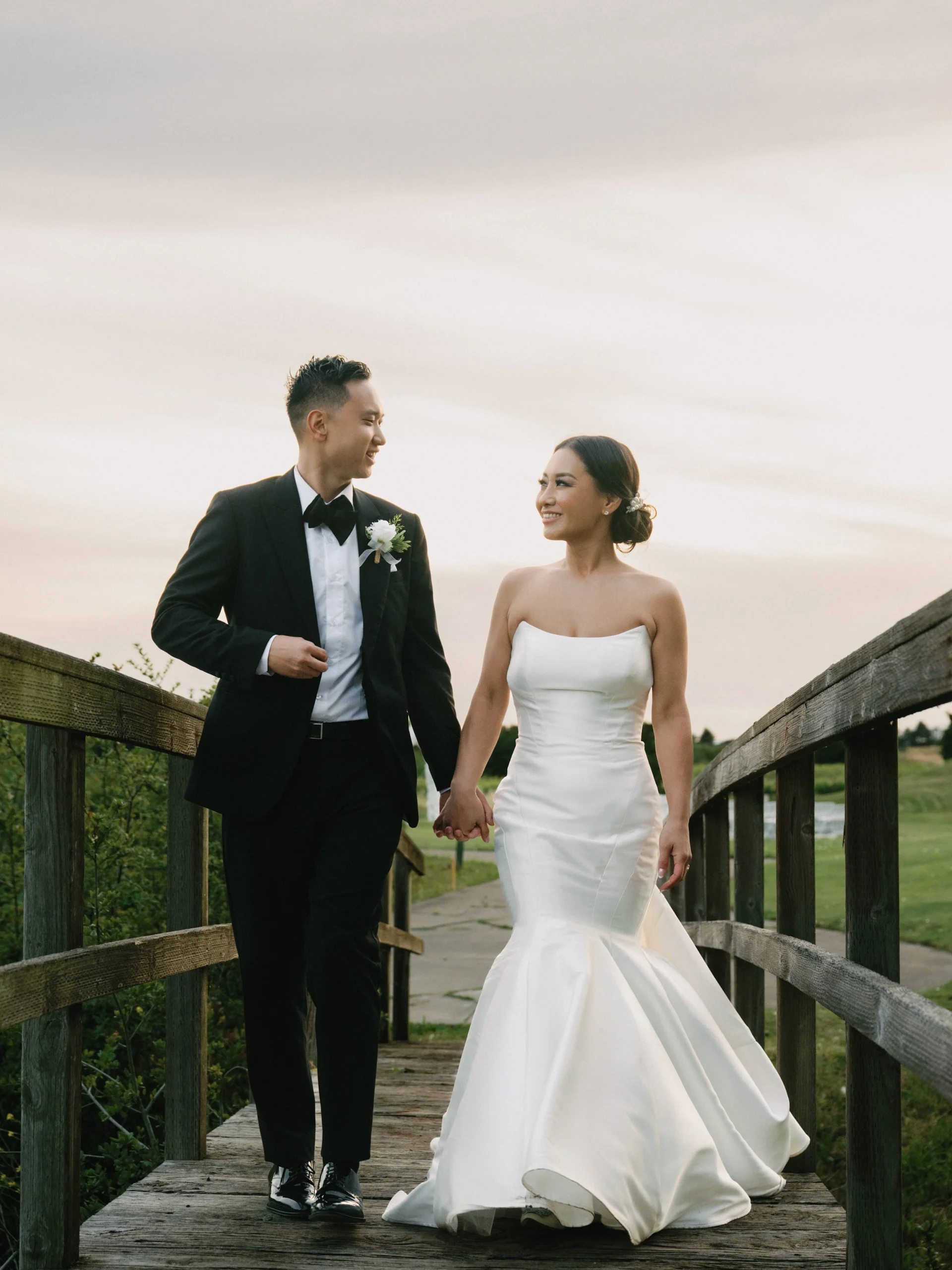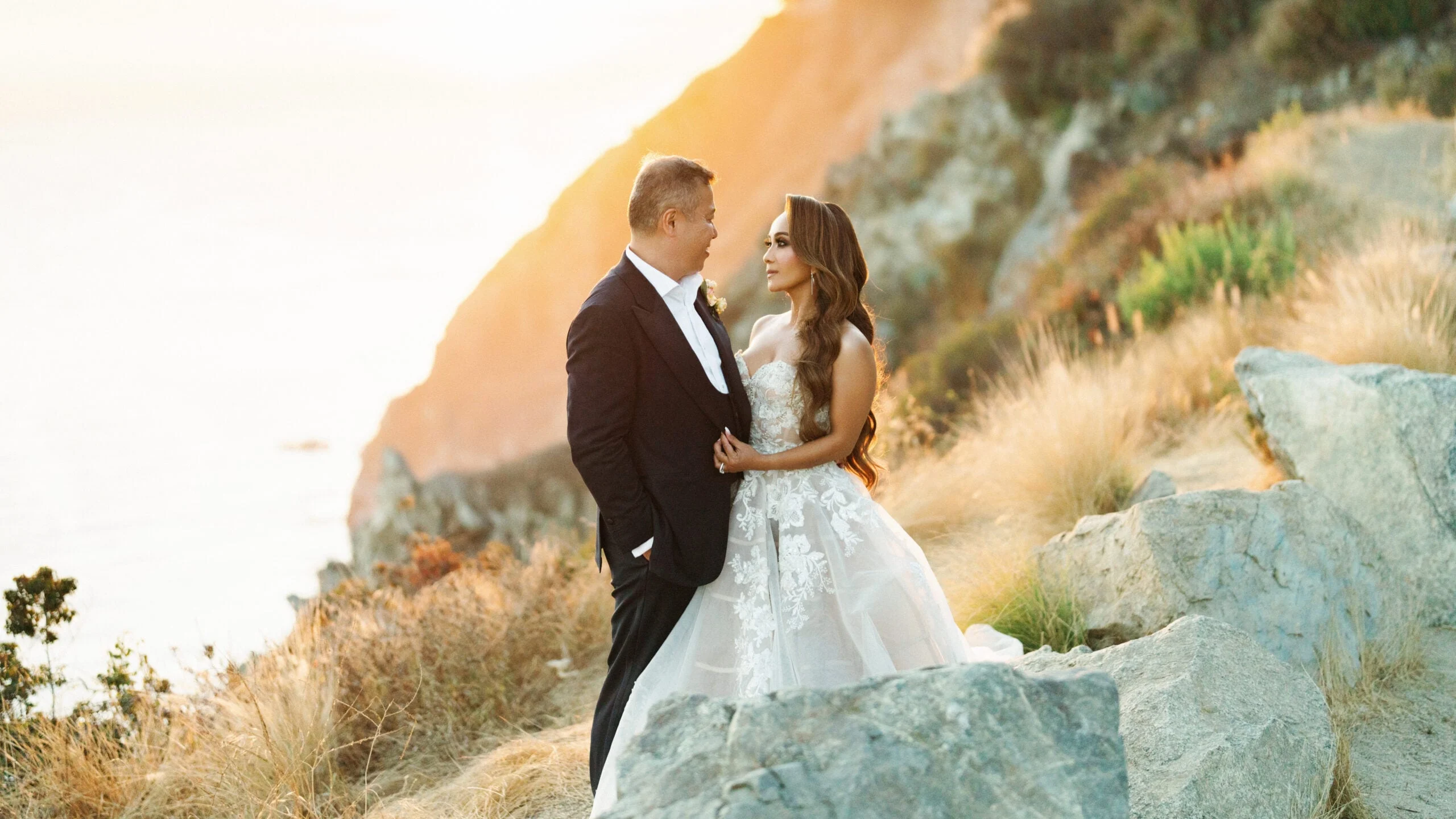
Big Sur brings together ocean cliffs, redwood forests, and the Pacific coastline in a landscape that changes character from one stretch of road to the next. The appeal is not only the scenery. It is the atmosphere: quiet, natural, and closely tied to the place.
For a celebration shaped by that atmosphere, photography and cinematography benefit from the same attention as the rest of the day. The strongest plan gives the coastline enough room to reveal itself without asking the couple or their guests to hurry through it.
The landscape sets the pace
Morning fog can soften the cliffs and forest edges. Afternoon light reveals texture across the coastline, while the final hours before sunset bring warmth and dimension to the ocean horizon. Those shifts are part of what makes Big Sur feel alive, and they also influence when portraits, ceremony coverage, and quieter scenes will feel most at home.
A timeline can acknowledge that rhythm without becoming rigid. Start by deciding which parts of the landscape matter most to you, then leave enough breathing room for a change in light or a slower walk between moments. A redwood setting may feel sheltered and intimate; an ocean overlook may ask for more time simply because the view opens so far.
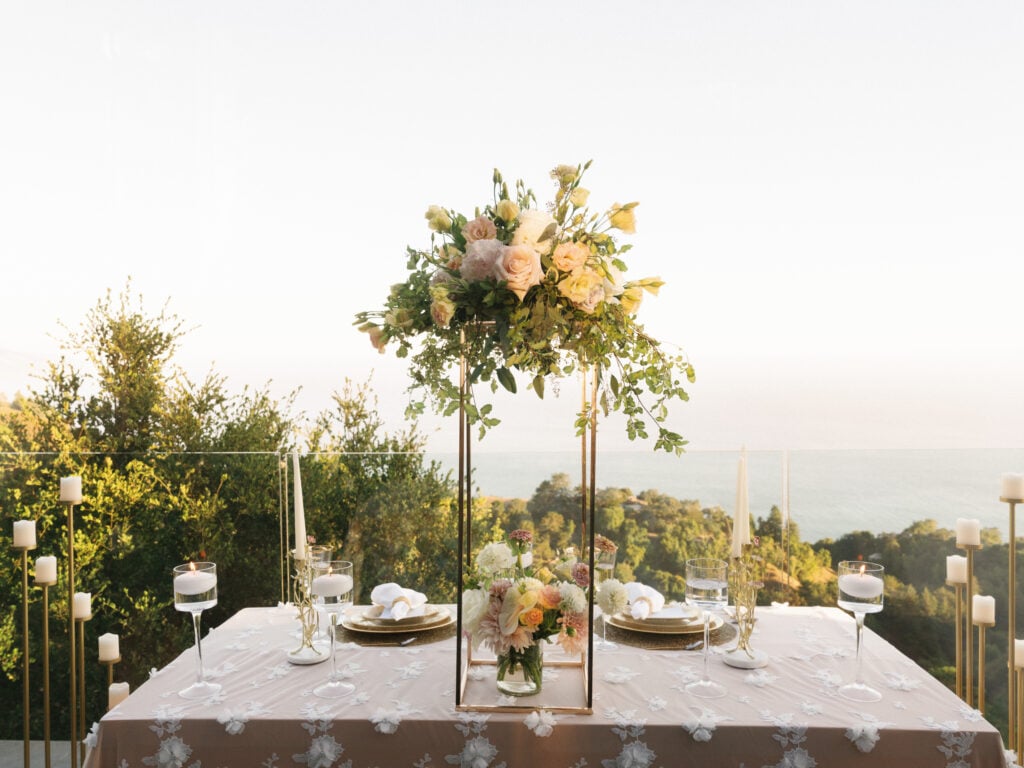
Timing and access are part of the story
Big Sur’s coastline stretches across cliffs, forests, beaches, and overlooks connected by Highway 1. Moving between distinct environments can create a varied visual story, but the distance between locations needs to be treated as real time in the day rather than an afterthought.
A realistic plan considers the pace of the road, seasonal visitor traffic, and the time guests need to move comfortably between ceremony, portraits, and reception locations. Many scenic areas are reached by paths, uneven ground, or short walks from parking areas. Footwear, mobility, and guest comfort belong in the same conversation as the view.
Some public locations, including state parks and protected areas, may require permits. Requirements vary by park and location, so confirm the current details with the relevant land manager before making a plan. Private venues and estates can offer another kind of structure while keeping the surrounding landscape close.
Fog, wind, and the last light
Coastal fog is one of Big Sur’s defining visual elements. It moves between the Pacific and the mountains, creating soft layers across cliffs, forests, and shoreline. In portraits, that diffused light can feel intimate and quiet. When the fog lifts, the same coastline becomes expansive: ocean views, textured cliffs, and warmer evening color.
Wind is part of the setting too, especially at open, ocean-facing ceremony locations. Floral design, fabrics, and veils can be considered with that movement in mind. The goal is not to control every natural detail, but to make choices that let the environment feel intentional and comfortable.
The final hours before sunset are often valuable for coastal photographs. Lower light gives the cliffs dimension, highlights the movement of the ocean, and brings warmth to the landscape. Planning portraits around that window can make space for the place to become expressive without turning the day into a production schedule.
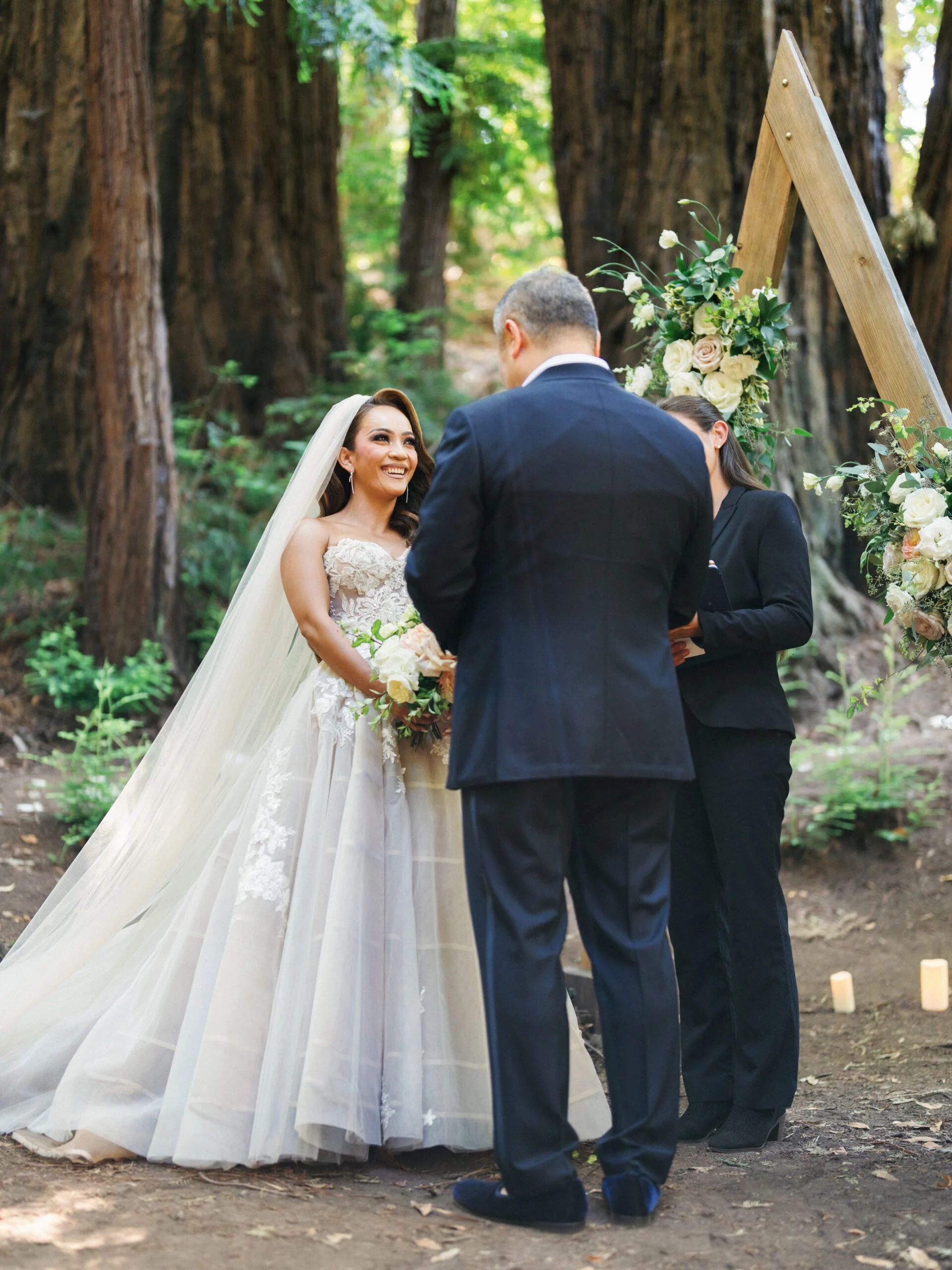
Portraits that move with the coast
Ocean cliffs, quiet beaches, and redwood forests offer different visual environments within the same destination. A viewpoint that feels open and dramatic in the afternoon may become softer and more atmospheric in the morning. In a forest, the light can change as the sun moves through the trees.
That variety makes a portrait plan feel less like a checklist and more like a sequence. Choose a small number of settings that match the atmosphere you want, and make the movement between them part of the experience. A strong timeline keeps the focus on the couple while allowing the landscape to appear in different moods.
For intimate celebrations, that flexibility can create room for quiet moments and scenic portraits. Larger weddings often benefit from a dedicated venue or private property that gives guests structure while the coastline remains part of the day. In both cases, movement should support the celebration rather than interrupt it.
Photo and film coverage
Photography and videography in Big Sur are shaped by the same relationship between landscape and pace. Film can hold the movement of ocean waves, the sound of wind through the trees, and the feeling of a place changing across the day. Photography can stay close to expressions, textures, and the small transitions that make the setting personal.
The best coverage plan leaves room to know when to move and when to wait. Ceremony audio, spoken moments, guest movement, and the character of the coastline all deserve a place in the conversation before the timeline is finalized.
Common questions
Is fog a problem for Big Sur wedding photos?
Fog is part of the visual identity of Big Sur and can create soft, atmospheric images. A flexible plan can adjust timing, location, and approach as conditions change, preserving the character of the landscape rather than treating mist as a problem to hide.
What time of year is best?
Conditions vary throughout the year. Check current weather and access guidance for the exact date and location, then choose the season that fits the experience you want to create.
Do we need a permit?
Requirements depend on the location, especially for state parks and protected coastal areas. Confirm the current rules with the relevant park or land manager early; private venues and estates may offer different options for ceremonies and receptions.
Is Big Sur better for an elopement or a larger wedding?
Big Sur can support both intimate celebrations and larger weddings. Smaller gatherings can move between natural settings, while larger celebrations often use a venue or private property for structure. The right format depends on guest experience and the connection you want with the landscape.