
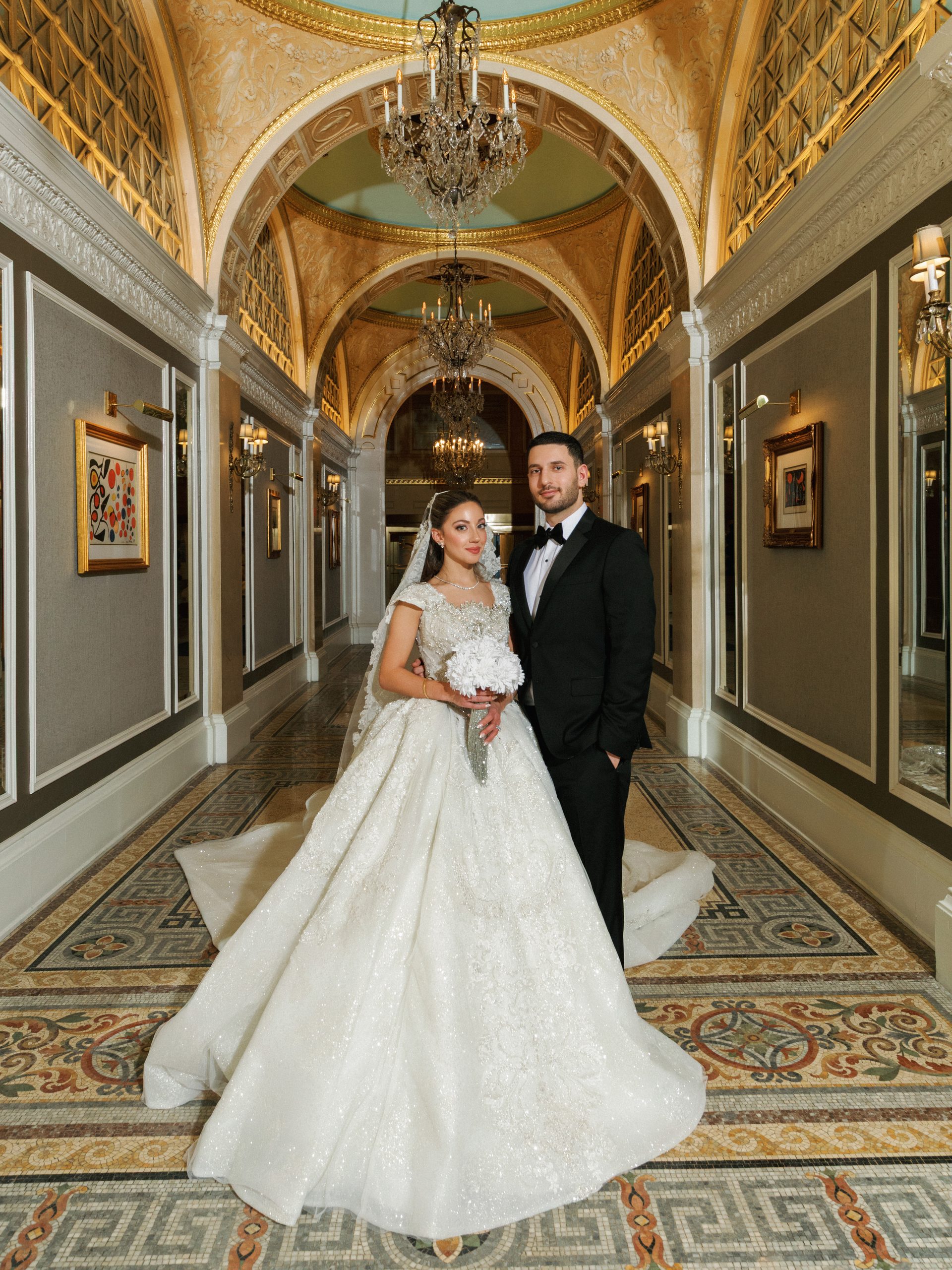
Choosing a Boston wedding videographer begins with watching the work and deciding what you want to keep from your own day. Diane and Fares’ Fairmont Copley Plaza wedding offers a Boston starting point, with three film versions to consider alongside the wider cinematography collection. Use that viewing to make your coverage questions specific.
One Boston celebration, three film versions
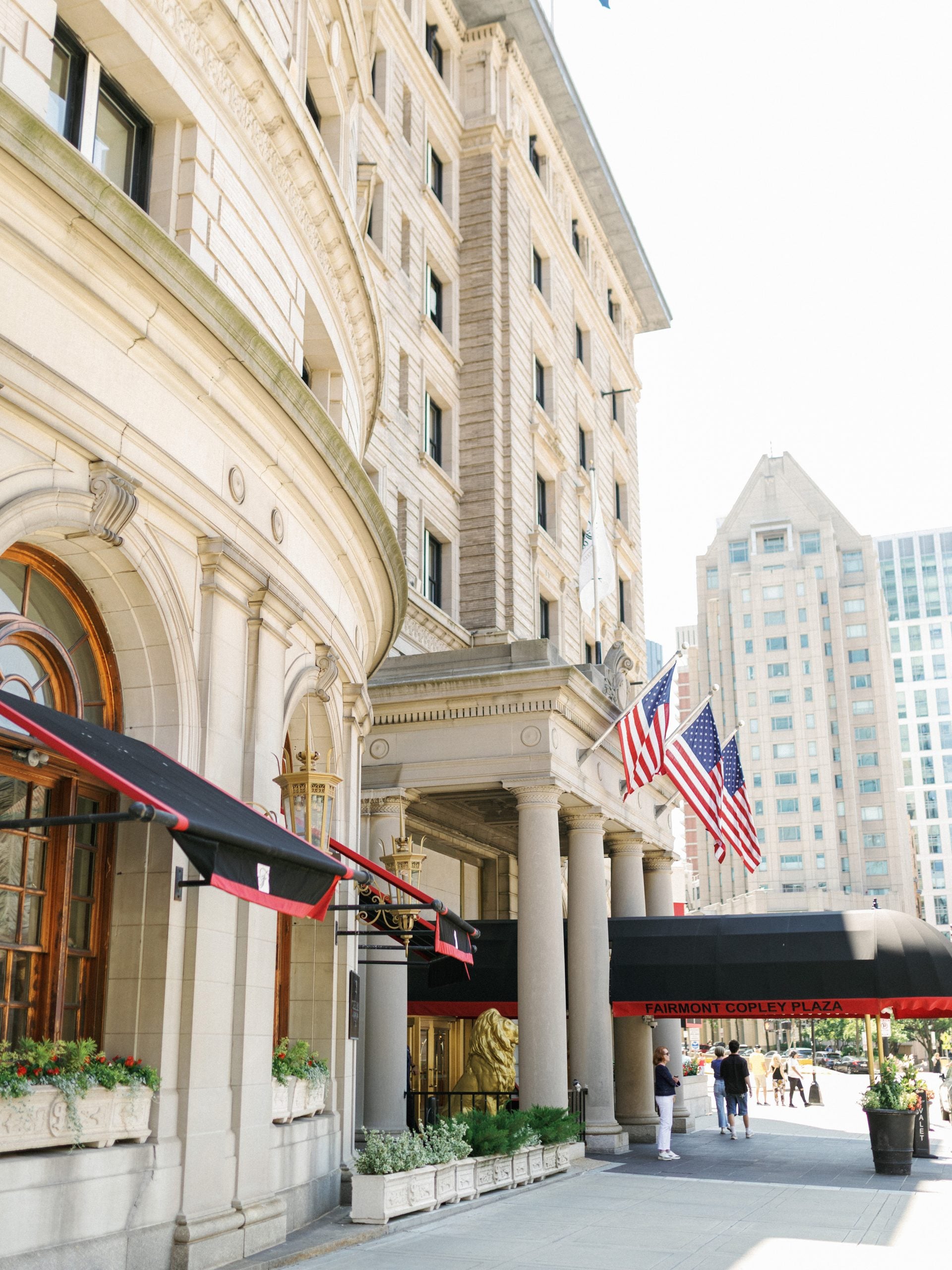
Diane and Fares celebrated at Fairmont Copley Plaza in Boston. Their wedding is represented by three film versions, giving you a way to consider different edits while keeping the people and venue consistent.
Watch with your own priorities in mind. Notice whether you prefer a shorter retelling or want to spend more time with the celebration. If particular words or events matter to you, ask how those priorities would be recorded and included in the proposal for your wedding. The wedding cinematography collection provides a broader introduction to the work.
Look for the viewing experience you want
A film can be considered in more than one way. You may care about how it moves through the day, how much time you spend with the people involved or how the edit brings the events together. Note the parts you respond to so the conversation has something more precise than a general preference for a cinematic look.
Keep examples separate from promises. Ask what the proposed film coverage includes and how the versions offered for your wedding would differ. If a longer recording of a ceremony or speeches is important to you, make it a direct question about the agreement rather than an assumption based on another wedding film.
Give the film team the actual locations and event plan
Put the preparation, ceremony and reception addresses together, then add the confirmed access arrangements. Ask the venue and ceremony organizer about filming positions, movement and any requirements the team needs to follow. If events happen at separate locations, include the transition in the planning discussion.
At Fairmont Copley Plaza, the hotel’s wedding information distinguishes its own specialist from the broader coordination of photography, transport and personalized details. Establish who will pass the final schedule and venue arrangements to each team. The Fairmont Copley Plaza wedding article provides the individual venue context, while the Boston wedding venues guide covers a broader shortlist.
Name the people, words and events that matter
If voices are a priority, say whose words you hope to keep and which events are already planned. If a family member is speaking or a ceremony has specific arrangements, share that information early. Ask what the team would need from the venue or other suppliers to plan the recording.
Also consider how much time you want to set aside for portraits or other planned filming. Agree on the priorities alongside the day’s events so they can be discussed with both the photo and film teams. A clear preference is useful; a long list of recreated moments can make the conversation harder to focus.
Read the coverage proposal with your priorities beside it
Use the same list of priorities when you review a proposal: the events to be covered, the people whose words matter, the access arrangements and the films you expect to receive. Ask about any point that is unclear, including how the proposed versions differ and what is included in delivery.
If photography is part of the plan, discuss the shared schedule and the time reserved for each part of the day. The wedding photography collection introduces the still-image work, and our process explains the wider planning stages. The final plan should make the agreed responsibilities clear to everyone involved.
- Which parts of the day would the proposed coverage include?
- What recording arrangements need to be agreed with the venue and other suppliers?
- Which film versions are included in this particular proposal?
- How would the photo and film plans share the confirmed schedule?